

In food processing, the structural design of an autoclave sterilizer directly affects temperature stability, heat transfer, and batch processing performance. For bag-type sterilization equipment that uses water spray, in addition to considering the maximum sterilization temperature and equipment capacity, the structure of the inner and outer layers is equally important. A well-designed double-layer structure helps the autoclave retort machine maintain a stable heat treatment environment, providing reliable sterilization conditions for packaged products such as sauces, cooked meats, soups, and ready-to-eat foods.
What Is the Purpose of the Double-layer Structure in an Autoclave Sterilizer?
1. Inner Layer Performs Sterilization, Outer Layer Assists in Heat Retention
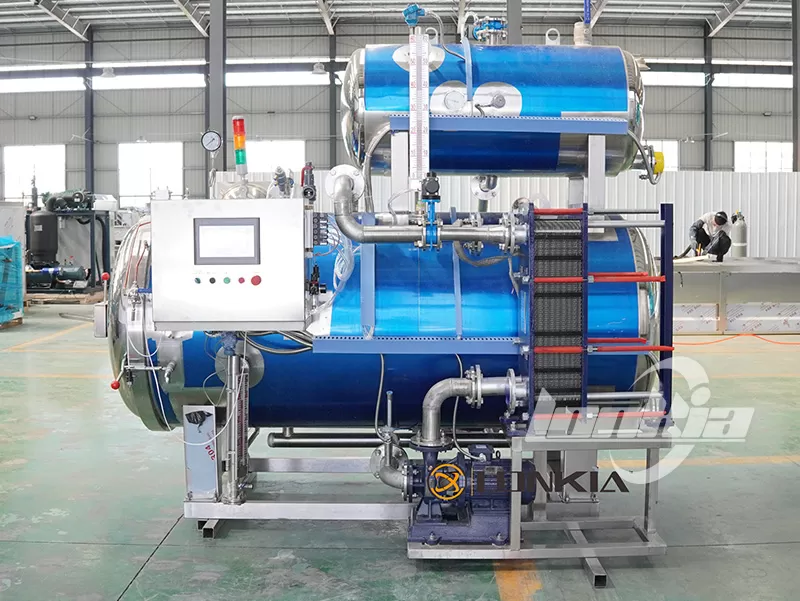
The double-layer structure is not simply an additional metal shell. Taking water-spray sterilization equipment for packaged products as an example, the inner layer contains hot water and performs water-bath sterilization, while the outer layer serves to retain heat, helping to minimize heat loss during operation.
Once the autoclave sterilizer reaches the set temperature, the insulation structure helps maintain the heat treatment environment, reducing the impact of temperature fluctuations on the operation. For food processing companies that need to complete sterilization according to predetermined time and temperature parameters, this structure helps improve the stability of equipment operation.
2. Works with the Spray System to Improve Heat Distribution
While the double-layer structure is primarily used for heat retention and maintaining a stable heat treatment environment, actual sterilization uniformity also depends on the spray layout, water circulation, nozzle condition, and product loading method.
LONKIA's bag-type water spray sterilization equipment features a top-spray design that ensures hot water covers the product surface. The double-layer structure works in conjunction with the spray system to help establish more stable sterilization conditions. When selecting equipment, it is important to focus on the internal spray coverage and temperature performance at different loading positions, rather than simply comparing maximum temperatures.
How Does the Double-wall Design Provide Practical Benefits for Food Production?
1. Helps Maintain Temperature Stability
During the sterilization process, temperature fluctuations can affect the actual heat treatment effectiveness. The double-wall insulation structure helps reduce heat loss but cannot replace a precise temperature control system. Companies should also pay attention to the performance of temperature sensors, control systems, and the operation during the heating and holding phases.
2. Adapting to the Processing Needs of Different Packaged Foods
Sauces, soups, and meat products in pouches may vary significantly in viscosity, solids content, package thickness, and individual pouch weight. These factors all affect the rate at which heat is transferred into the product.
Therefore, when selecting an autoclave sterilizer, you should provide the supplier with information on product types, package sizes, individual bag weights, and batch load capacity to ensure that the equipment's design, spray patterns, and other features align with your actual production requirements.
What to Check When Purchasing a Double-Layer Autoclave Sterilizer?
1. Verify the Structure, Temperature Control, and Heating Method
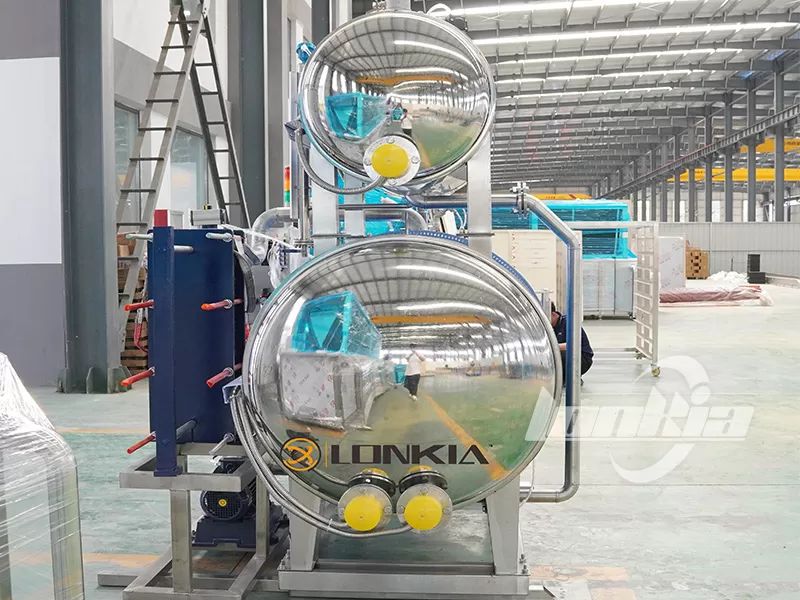
Before purchasing an autoclave sterilizer, it is recommended to confirm the specific functions of the inner and outer layers, the insulation structure, the temperature control accuracy, and whether the equipment uses electric or steam heating. LONKIA's water spray sterilization equipment for packaging bags supports both electric and steam heating, with an adjustable temperature range of 50–121°C; specific configurations should be based on the supplier's latest technical documentation.
2. Focus on Maintenance and Practical Testing
Check whether the autoclave retort machine's sealing components, nozzles, circulation system, and temperature monitoring devices are easy to inspect and maintain. Additionally, it is recommended to conduct trial runs using actual products and packaging to verify heating performance, spray coverage, package integrity, and batch reproducibility.
It is important to note that just because a piece of equipment can reach a certain set temperature does not mean that all foods require the same sterilization time and temperature. The specific process must be determined based on product characteristics, packaging type, and validated sterilization requirements.
Conclusion
The value of a double-walled structure lies in its ability to help the equipment maintain a stable heat treatment environment through the coordination of the inner sterilization chamber and the outer insulation structure. For food manufacturers, selecting an autoclave sterilizer should not be based solely on the equipment's appearance or maximum temperature; rather, a comprehensive evaluation should include the insulation design, spray uniformity, temperature control capabilities, ease of maintenance, and results from actual product testing. Choosing the appropriate equipment configuration based on production needs is essential to effectively balance sterilization effectiveness and production stability.