

Steam sterilizers are critical heat treatment equipment in food processing. However, in actual production, issues such as failure to reach the set temperature, uneven sterilization, slow heating rates, package deformation, and circulation system malfunctions can all affect the final product quality.
Understanding the causes of common malfunctions and troubleshooting them based on equipment structure, temperature control, and operating procedures can help food processing companies reduce downtime and improve the operational stability of steam sterilizers.
Common Steam Sterilizer Problems and Solutions
1. Steam Sterilizer Fails to Reach Set Temperature
Possible Causes: If the steam autoclave machine fails to reach the set temperature even after prolonged operation, first check whether the steam supply is stable, and simultaneously verify that the temperature sensors, control valves, and circulation system are functioning properly.
For water-bath and full-spray steam sterilizers, water temperature distribution and circulation conditions also directly affect the heating efficiency. If circulation is insufficient, certain areas may heat up more slowly.
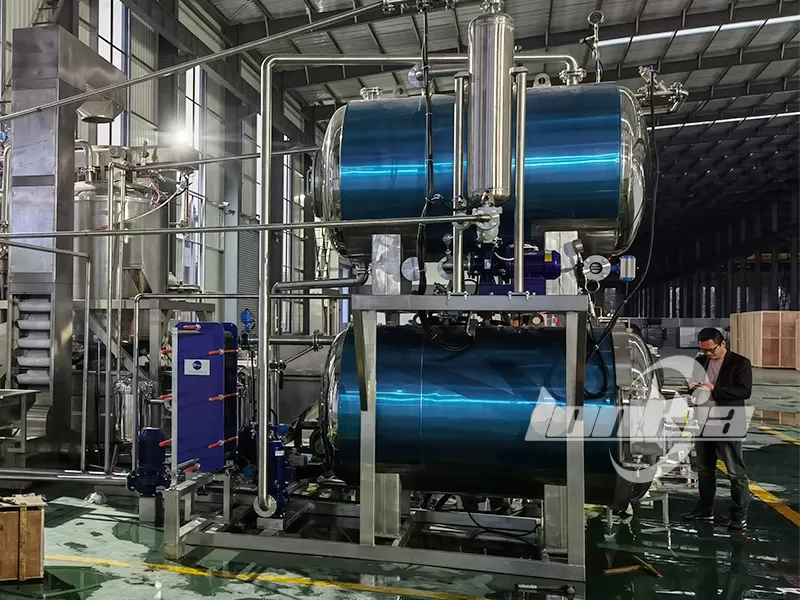
Solution: Inspect the steam supply, temperature sensors, and relevant valves, and verify that the spray lines are functioning properly. Lonkia steam sterilizers feature a combined water-bath and full-spray design, which uses circulation and spraying to facilitate uniform heat transfer, ensuring a more stable sterilization process.
2. Uneven Sterilization Temperature
Possible Causes: Variations in sterilization effectiveness within the same batch of products are often related to the internal heat distribution of the equipment, product placement, and circulating water flow. If products are loaded too densely, this may also affect heat transfer.
Solution: Arrange products appropriately within the sterilization baskets and check the spray system for blockages. The autoclave steam sterilizer's water bath structure helps maintain a relatively stable temperature inside the retort, while the full-spray system ensures hot water covers the product surfaces, helping to improve heat distribution.
3. Deformation or Damage to Packaging
Possible Causes: Retort pouches, glass jars, and other packaging are sensitive to changes in temperature and pressure during the heating, holding, and cooling phases. Improper control of the heating and cooling processes may subject the packaging to significant pressure fluctuations.
Solution: Set appropriate sterilization parameters based on the characteristics of the product packaging, and inspect the equipment's temperature and pressure control systems. For products in pouches and glass jars, a stable heat treatment process is more important than simply increasing the sterilization temperature.
4. Reduced Spray System Effectiveness
Possible Causes: Clogged nozzles, impurities accumulated in the piping, or malfunctioning circulation pumps may result in insufficient spraying in certain areas, thereby affecting heat transfer.
Solution: Regularly inspect the nozzles, piping, and circulation pumps to ensure proper spray coverage. If abnormal temperature rises are detected in specific product areas during production, prioritize checking the circulation and spray systems.
5. Abnormal Control Parameters
Possible Causes: Temperature sensor drift, incorrect control system settings, or unreasonable operating parameters may all cause the actual sterilization process to deviate from the set program.
Solution: Inspect the temperature sensors and control system, and set appropriate parameters based on product type, packaging format, and process requirements. This steam sterilizer is equipped with a control panel that allows for monitoring and adjustment of sterilization parameters; the equipment's temperature range is adjustable from 60–121°C.
How to Reduce Autoclave Steam Sterilizer Malfunctions?
During daily production, it is recommended to focus on inspecting the steam supply, temperature sensors, circulation pumps, spray lines, nozzles, and control system. Additionally, maintain proper loading to prevent product piling from affecting hot water circulation.
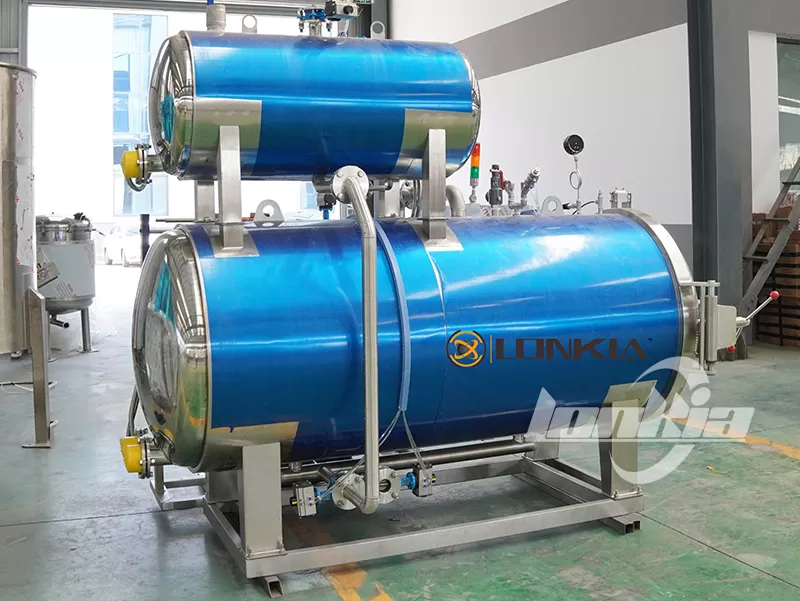
For food processing enterprises requiring long-term, stable operation, it is equally important to select equipment with a well-designed structure, adjustable parameters, and the ability to be configured according to specific products and packaging. Lonkia can provide tailored steam sterilizer solutions based on product type, packaging method, and processing requirements, helping customers select the most appropriate equipment configuration.
Conclusion
When issues arise with a steam sterilizer, one should not focus solely on the sterilization temperature itself but rather conduct a comprehensive assessment of the heating system, circulation system, spray system, control system, and loading method. Through proper equipment maintenance and parameter management, common operational issues can be effectively minimized, ensuring a more stable food sterilization process.
For products such as canned goods, sauces, beverages, dairy products, and prepackaged foods, selecting the appropriate steam sterilizer and establishing a reasonable sterilization program based on the specific product is a crucial foundation for ensuring the continuous and stable operation of the equipment.