

For food processing companies, sterilization temperature directly affects a product's microbial safety, texture, color, and shelf life. If the temperature is too low or the processing time is insufficient, sterilization may not meet standards; conversely, if the temperature is too high, it may alter the food's texture and flavor, or even compromise the integrity of the packaging. Therefore, when selecting an appropriate autoclave sterilizer, it is essential not only to consider the maximum temperature the equipment can reach but also to determine reasonable sterilization parameters based on the food's characteristics, packaging type, and actual processing methods.
What Factors Determine Sterilization Temperature?
1. Food Type and Product Characteristics
Different foods have varying requirements for heat treatment. Meat, poultry, soups, sauces, and ready-to-eat foods differ in acidity, viscosity, solids content, and heat transfer rates; therefore, a single set of temperature parameters cannot be applied universally.
For example, foods with a higher solid content may take longer for heat to reach the center of the package; liquid or highly fluid products may also exhibit different heating patterns and temperature rise profiles. Manufacturers should develop validated sterilization processes based on product formulations, packaging specifications, and target shelf life.
2. Packaging Materials and Loading Methods
Flexible pouches, laminated pouches, and other sealed packages may differ in terms of temperature resistance, pressure resistance, and heat transfer. The thickness, dimensions, individual pouch weight, and packing density of the pouches all affect the product's heating rate.
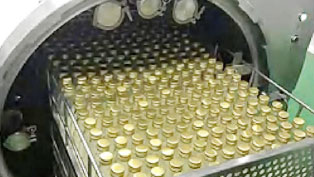
When selecting autoclave sterilizer, verify the effective loading capacity of the sterilization chamber, the spray coverage range, and the types of packaging it accommodates. Proper product arrangement can minimize obstructions to hot water circulation and help ensure more consistent heat treatment results across a single batch.
How to Control Sterilization Temperature Using an Autoclave Sterilizer?
1. Consider Temperature Control Range and Stability
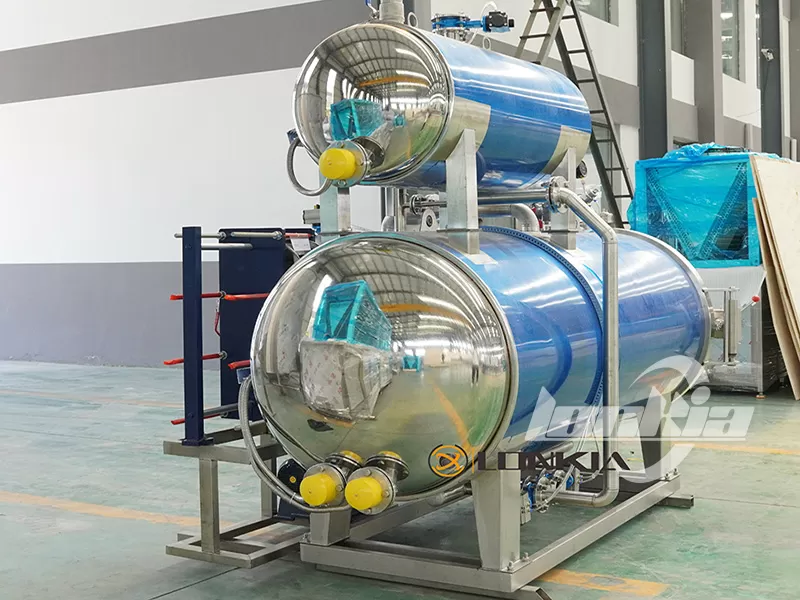
LONKIA's autoclave sterilizer has a temperature control range of 50–121°C; specific configurations can be further confirmed based on project requirements. When selecting a model, companies should determine whether the equipment's operating range covers the target process and pay close attention to functions such as temperature sensing, heating control, and process monitoring.
It is important to note that just because the autoclave sterilizer can reach a certain temperature does not mean that all foods are suitable for that temperature. Actual sterilization conditions must also take into account holding time, temperature rise at the product's core, and relevant food safety requirements.
2. Select the Appropriate Heating Method
This autoclave retort machine supports both electric and steam heating. Companies can choose the appropriate configuration based on their facility's existing energy infrastructure, batch scheduling, and production plans.
Electric heating allows for flexible start-up and shutdown according to production needs; if the facility already has a stable steam supply, a steam heating solution can also be evaluated. Regardless of the method chosen, attention should be paid to whether the heating process is stable and whether the equipment can consistently meet the set temperature requirements.
3. Utilizing the Spray Nozzle Design to Improve Heat Distribution
The sterilization temperature must not only reach the set value but also maintain reasonable uniformity within the equipment. This equipment features a top-spray design combined with a double-layer structure—the inner layer for water-bath sterilization and the outer layer for heat retention—which aids in the distribution of hot water and temperature stability.
When purchasing, it is recommended to further verify the nozzle layout, hot water circulation, and temperature performance at different loading positions to avoid judging the sterilization effectiveness of the entire batch based solely on the temperature displayed on the control panel.
What Needs to Be Verified Before Determining Sterilization Parameters?
Before commencing formal production, it is recommended that companies conduct process validation using actual food products and packaging, focusing on the following aspects:
- Target temperature and hold time: Confirm that the combination of parameters meets the product's sterilization requirements.
- Product core temperature: Assess whether heat is effectively transferred to the interior of the packaging.
- Packaging integrity: Check for leaking, swelling, or sealing defects after sterilization and cooling.
- Batch consistency: Conduct necessary temperature tests at different loading positions to confirm consistent processing results.
Summary
When purchasing an autoclave sterilizer, it is recommended to provide the equipment supplier with information on the food type, package dimensions, batch capacity, target production capacity, and planned heat source in advance. Only then can the supplier accurately assess the equipment's capacity, heating configuration, and spray system design.
LONKIA can provide equipment configuration recommendations based on specific production needs, helping companies conduct a comprehensive evaluation of temperature control, heat distribution, packaging compatibility, and actual production capacity.
The appropriate sterilization temperature results from a combination of validated processes and stable, reliable equipment. Thoroughly communicating product and packaging parameters before finalizing an equipment solution helps reduce uncertainties during subsequent commissioning and establishes a more stable sterilization process for food production.