

In the food processing industry, selecting the right steam sterilization autoclave is not only critical for product safety but also directly impacts production efficiency and cost control. For procurement professionals, making the right choice among the many available options is a key challenge. This article will guide you toward a more informed purchasing decision by examining the equipment's operating principles, core parameters, and key selection criteria.
What Is a Steam Sterilization Autoclave and Its Core Function?
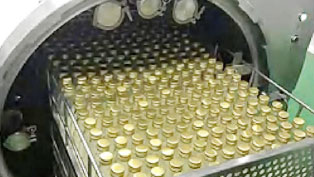
A steam sterilization autoclave is a sealed pressure vessel that uses high-temperature, high-pressure steam to heat-treat food, thereby killing bacteria, viruses, and heat-resistant spores to achieve a commercially sterile state.
Its operating temperature typically ranges from 121–135°C. By raising the boiling point of water through pressure, the steam gains greater thermal penetration capability.
For food companies, its core value lies in:
- Extending product shelf life
- Improving food safety
- Preserving product texture and quality
Working Principle of the Steam Sterilization Autoclave
The steam sterilization equipment's operation is typically divided into several key stages:
- Venting stage: Removes air to prevent the formation of "cold spots" that could affect sterilization effectiveness
- Heating and sterilization stage: High-temperature steam acts uniformly on the product
- Holding phase: Maintaining the set temperature to ensure thorough sterilization
- Cooling phase: Rapidly lowering the temperature to protect the packaging structure
When steam comes into contact with the product surface, it releases a large amount of thermal energy, which rapidly denatures microbial proteins, thereby achieving highly efficient sterilization.
Key Considerations When Purchasing Equipment
1. Temperature and Pressure Control Accuracy
Temperature and pressure are critical to sterilization effectiveness. High-quality electric steam sterilizer should feature a stable control system to ensure that every batch of products meets consistent standards.
2. Uniformity of Heat Distribution
Temperature variations within the steam sterilizer machine can result in incomplete sterilization of certain products. Therefore, the following aspects require attention:
- Circulation system design
- Spray or steam distribution structure
3. Compatibility with Packaging Types
A high-quality steam sterilization autoclave should be suitable for:
- Pouched foods
- Canned goods
- Glass bottles
This directly impacts the equipment's scope of application and return on investment.
4. Automated Control Systems
Modern autoclave sterilizer retort typically employs PLC control, enabling:
- Automated operating programs
- Data logging
- Multi-recipe switching
This is crucial for enhancing production stability.
Selection Recommendations for Different Application Scenarios
- Ready-to-Eat Food Processing: Prioritize equipment with uniform heating and precise temperature control to ensure product texture and safety.
- Canned Food Production: Focus on pressure control capabilities to prevent package deformation.
- Multi-Product Manufacturers: Select equipment with a wide range of adjustable parameters and strong compatibility to enhance flexibility.
How to Assess Equipment Quality and Reliability?
During the procurement process, evaluate the following aspects:
- Whether the material is high-grade stainless steel
- Whether it features multiple safety protection systems
- The accuracy of temperature sensors and control systems
- Equipment operational stability
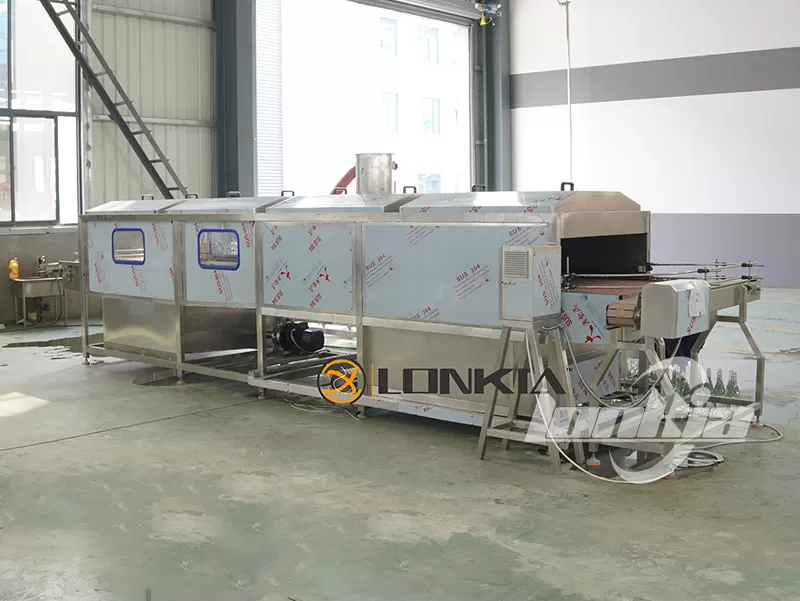
Equipment suppliers like Lonkia typically provide comprehensive technical support and customized solutions to help customers better align with their production needs.
Common Procurement Pitfalls
Many customers tend to overlook the following issues during selection:
- Focusing solely on price while ignoring long-term operating costs
- Failing to consider compatibility issues arising from changes in product types
- Neglecting the level of equipment automation
The correct procurement approach should be:
Centered on production needs, rather than being solely price-driven.
Conclusion
Selecting a suitable steam sterilization autoclave essentially means choosing:
- Stable food safety assurance
- High-efficiency production capacity
- A long-term, reliable equipment investment
It is recommended to clearly define your product types, production capacity requirements, and future expansion plans before purchasing, thereby selecting sterilization equipment that truly aligns with your company's development.
If selected appropriately, a high-quality sterilization unit can not only enhance production efficiency but also provide your company with more stable market competitiveness.