
In food processing, steam steriliser autoclaves are essential equipment for ensuring product safety and extending shelf life. Proper installation and standardized operation not only affect sterilization effectiveness but also directly impact the equipment's service life and production stability. This article provides a detailed overview of the key installation and operational points for steam sterilization equipment to help users efficiently commence production.
Key Preparations Before Installing a Steam Steriliser Autoclave
Before the equipment arrives at the facility, users must complete the following preparatory work in advance:
- First is site planning. Steam steriliser autoclaves typically require a stable foundation; therefore, a level floor with strong load-bearing capacity should be selected, while ensuring sufficient space is reserved for operation and maintenance.
- Second is utility configuration. Since the equipment relies on a steam system for operation, a stable steam supply must be ensured, along with supporting water, power, and drainage systems.
- Additionally, verify that all pipeline connections are compatible, including the steam inlet, cooling water connections, and exhaust system, to avoid increased costs from retrofitting later.
Detailed Steam Sterilization Equipment Installation Process
A standardized installation process is the foundation for ensuring stable equipment operation:
- Equipment Positioning and Securing: After hoisting the autoclave machine into the designated position, level it to ensure even distribution of forces, thereby preventing vibration or poor sealing during operation.
- Piping System Connection: Connect the steam pipes, cooling water pipes, and drainage system, paying close attention to the sealing of connections to prevent air or water leaks that could compromise sterilization effectiveness.
- Electrical Control System Commissioning: After connecting the power supply, test the control system to verify the accuracy of temperature and pressure displays and confirm that the automatic control program operates normally.
- Safety Device Inspection: Confirm that critical components such as pressure gauges, safety valves, and interlock systems are in proper working order; this is a core step in ensuring safe equipment operation.
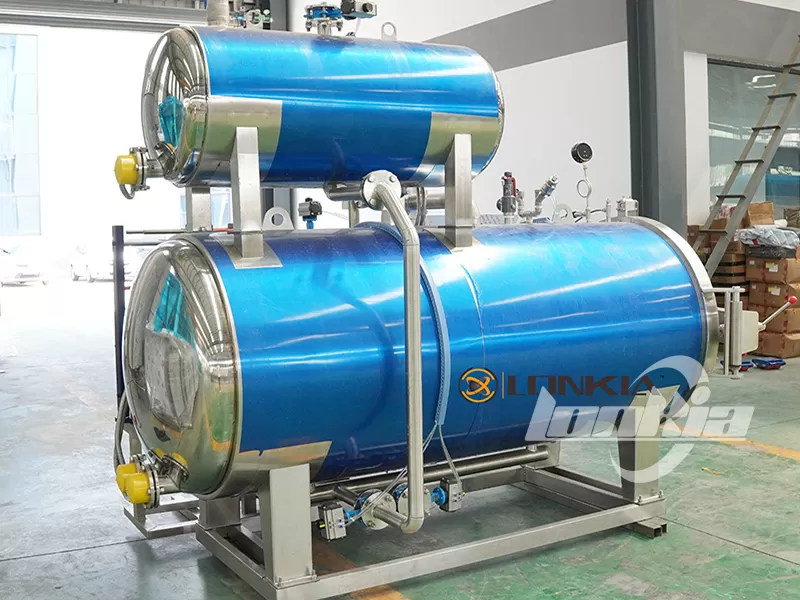
Steam Autoclave Machine Operating Procedure
A correct operating procedure can significantly improve sterilization efficiency:
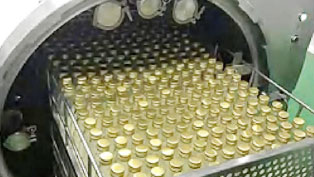
- Loading and Sealing: After loading products into the sterilizer, ensure the chamber door is completely sealed to prevent steam leakage from affecting internal pressure.
- Heating and Pressurization: After starting the equipment, steam enters the chamber, causing the temperature and pressure to gradually rise to the set values. During this stage, closely monitor parameter changes to ensure stability.
- Constant-Temperature Sterilization: Maintain the set temperature and pressure for a specified duration to achieve complete elimination of microorganisms. This is the core step of the entire process.
- Cooling and Pressure Relief: After sterilization is complete, use the cooling water system to lower the temperature while gradually releasing pressure to prevent damage to product packaging.
- Unloading: Once pressure is fully released, open the chamber door and remove the products to proceed to the next process.
Common Operational Issues and Solutions
During actual steam steriliser autoclave operation, users often encounter the following issues:
- Temperature Inhomogeneity: This may be caused by improper steam distribution; inspect the piping design or install a recirculation system.
- Pressure Fluctuations: Check whether the steam supply is stable or if the valves are functioning properly.
- Poor Sealing: Focus on inspecting whether the sealing rings are worn or improperly installed.
To address these issues, it is recommended to perform regular maintenance on the equipment to ensure that critical components remain in good condition.
Recommendations for Improving Equipment Operational Efficiency
To enhance the efficiency of steam sterilization autoclaves, users can optimize operations in the following areas:
- Set sterilization time and temperature parameters appropriately
- Clean the interior of the autoclave regularly to prevent residues from affecting heat transfer
- Establish standardized operating procedures to minimize human error
As a provider of food processing equipment solutions, Lonkia continuously optimizes the structural design and control systems of steam sterilization equipment to help customers achieve more stable production operations.
Conclusion
While the installation and operation of steam steriliser autoclaves may appear standardized, every detail can affect the final sterilization effectiveness and equipment stability. Through scientific installation procedures and standardized operational management, it is possible not only to improve production efficiency but also to effectively reduce equipment failure rates, providing a reliable guarantee for enterprises' sustained and stable production.