

In modern food production, the steam sterilizer autoclave is a critical piece of equipment for ensuring food safety and extending shelf life. By controlling temperature and pressure, it achieves thorough sterilization of various food packaging, making it an indispensable core component in production lines for canned foods, pouched foods, dairy products, and beverages. This article provides a detailed introduction to steam autoclaves, helping food manufacturers understand the value of such equipment and how to optimize production processes.
What is a Steam Sterilizer Autoclave?
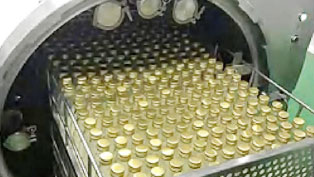
A steam sterilizer autoclave is a device that uses high-temperature steam under pressurized conditions to thermally treat food packaging. Unlike conventional heating methods, it maintains a high-temperature environment of 121°C (248°F) or higher within a sealed chamber. Combined with appropriate pressure, this process achieves complete inactivation of heat-resistant microbial spores, thereby rendering food sterile. This sterilization method not only complies with food safety standards but also extends product shelf life.
During sterilization, internal temperature and pressure are strictly controlled to ensure uniform heating of every product batch, preventing cold spots—a critical factor for food safety and quality.
Working Principle of Steam Autoclaves: Synergy of Heat and Pressure
The core of steam sterilization autoclaves lies in the synergistic effect of high-temperature steam and pressure control:
- High-Temperature Steam Heating: Steam possesses exceptional penetrating power under high pressure, rapidly transferring heat to every corner of food packaging.
- Pressure Action: The high-pressure environment effectively elevates steam temperature, enabling deeper heat penetration into food interiors to swiftly inactivate bacteria and their spores.
- Uniform Heat Distribution: Modern equipment employs water spray or steam recirculation technology to evenly distribute heat within the chamber, ensuring every container reaches the target sterilization temperature.
This process is typically managed by an automated PLC control system, offering simple operation and high stability. It effectively minimizes human error, provides traceable data records, and facilitates quality control management.
Why is the Steam Sterilizer Autoclave Indispensable for Food Production?
For food manufacturers, selecting appropriate sterilization equipment not only ensures product compliance and safety but directly impacts production efficiency and market competitiveness. Key advantages of steam sterilizer autoclaves include:
✅ Comprehensive Sterilization, Ensuring Food Safety
Compared to conventional heat treatment, steam sterilizers utilize saturated steam's efficient heat transfer to rapidly eliminate microorganisms within food and on packaging surfaces, reducing food safety risks.
✅ Compatible with Diverse Packaging Formats
Whether for canned goods, bagged products, or flexible packaging, high-pressure steam delivers uniform heat transfer, ensuring every item meets specified sterilization standards.
✅ Automated Operation and Easy Control
Modern steam sterilizers are equipped with automated control systems that allow preset sterilization programs for different foods, enabling intelligent production and consistent processing quality.
Practical Applications of the Retort Sterilizer
High-pressure steam sterilizer autoclaves are widely used across various food processing scenarios, including:
- Sterilization of canned vegetables, meats, ready-to-eat meals, etc.
- Thermal sterilization of liquid foods like juices and sauces
- High-temperature sterilization of dairy products, sauces, and condiments
The equipment's reliable temperature control and efficient heat transfer capabilities are crucial for ensuring consistent product quality and compliance with export standards.
Summary
Steam autoclaves are essential production equipment for food enterprises seeking to enhance product safety and market competitiveness. By precisely controlling temperature, pressure, and time during sterilization, they help businesses meet stringent food safety regulations, extend shelf life, and boost production efficiency.
If you are considering upgrading or introducing steam sterilizer autoclave, conduct a comprehensive evaluation based on working principles, sterilization efficacy, and automation capabilities. Professional equipment suppliers like Lonkia can provide customized steam sterilization solutions to help your production line achieve higher standards.