
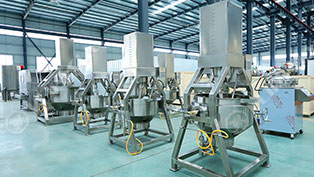
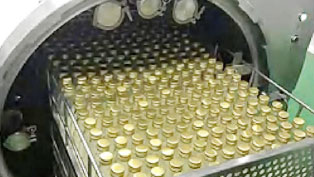
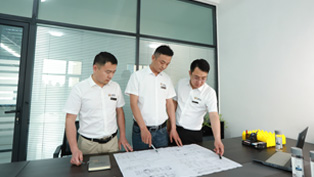
Steam autoclave machines are critical equipment in food processing production lines. The quality of their installation not only affects operational stability but also impacts sterilization effectiveness, production efficiency, and long-term maintenance costs. Many customers focus primarily on model, capacity, and price when purchasing equipment, but they often overlook installation requirements. This can result in the need to adjust the factory layout after the equipment arrives, and may even delay the start of production. Understanding the installation requirements for steam retorts in advance helps companies complete equipment deployment smoothly and begin production quickly.
Allocate Adequate Installation Space to Improve Equipment Operational Efficiency
When installing a steam autoclave machine, sufficient space should be reserved based on the equipment's external dimensions and door opening mechanism. In addition to the footprint of the equipment itself, space required for loading and unloading baskets, operator access, and routine maintenance must also be considered. For steam retorts with a horizontal configuration, ensure there is ample operating space in front of and behind the equipment to facilitate product loading and unloading, while also allowing for convenient future maintenance.
If plans call for adding automated conveyor systems, basket-loading mechanisms, or automated handling equipment to the production line, the connection points for these systems should be planned in advance to minimize future retrofitting costs.
Steam, Water, and Power Supply Are All Essential
A stable utility supply is critical to the normal operation of steam sterilizers. Before installation, verify that the facility has a stable steam supply to ensure the equipment can heat up quickly and maintain the set sterilization temperature. At the same time, a cooling water system that meets the requirements should be installed to facilitate rapid cooling after sterilization, thereby improving production throughput and protecting product packaging quality.
Furthermore, the power capacity must meet the operational requirements of the equipment's control system and related accessories. The PLC control cabinet, pneumatic components, and various sensors all require a stable power supply to prevent voltage fluctuations from affecting equipment operation.
Floor Load-Bearing Capacity and Equipment Foundation Are Equally Important
During operation, the steam autoclave machine must withstand its own weight, the weight of the products, and internal pressure; therefore, the installation site must have sufficient floor load-bearing capacity. It is recommended to install the equipment on a level, solid concrete floor and ensure that the overall levelness meets installation requirements to guarantee the sealing performance of the equipment doors and operational stability.
For equipment equipped with multi-tier baskets or automatic loading/unloading systems, appropriate transport aisles should also be reserved to facilitate the entry and exit of forklifts or logistics equipment.
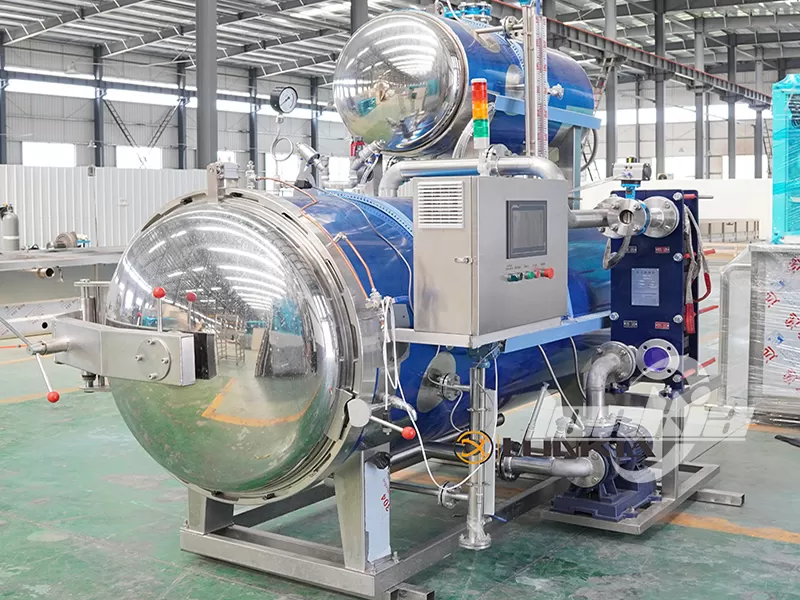
Plan Piping Layout in Advance to Facilitate Future Maintenance
Steam pipes, cooling water pipes, drainage systems, and compressed air connections should be laid out reasonably based on the equipment's connection points, minimizing pipe lengths to reduce energy loss. At the same time, sufficient maintenance space should be reserved to facilitate routine maintenance, replacement of seals, and inspection of critical components such as valves and gauges.
Choosing a steam sterilizer with a modular design can also simplify the installation process, shorten the commissioning cycle, and provide greater flexibility for future production expansion.
Summary
In addition to the steam autoclave machine's performance, the supplier's installation guidance and technical support are equally important. Professional manufacturers can typically provide installation recommendations based on the customer's factory layout—including equipment positioning, utility connection planning, and commissioning plans—to help customers minimize installation risks and improve production efficiency. Lonkia has long specialized in food sterilization equipment and can provide tailored solutions based on different product packaging formats and production requirements, along with comprehensive technical support to help customers achieve stable and efficient food sterilization production.
Planning installation conditions in advance not only shortens the installation cycle after equipment delivery but also ensures the long-term stable operation of the steam autoclave machine, helping food processing companies establish more efficient and reliable production processes.