
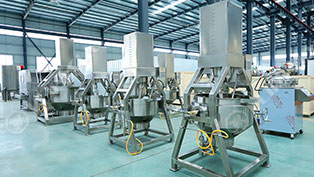
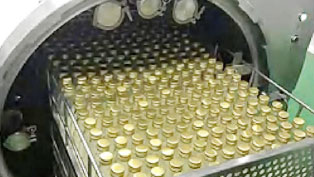

Vertical retort machines are commonly used heat treatment equipment in the processing of meat products, canned goods, seafood, sauces, and prepared foods. For food manufacturers, the long-term, stable operation of this equipment not only affects product quality but also impacts maintenance costs, production schedules, and overall return on investment. Understanding the key structural components, materials, and maintenance requirements of vertical retort machines helps purchasers make more informed decisions when selecting equipment.
What Factors Determine the Durability of a Vertical Retort Machine?
1. Stainless Steel Materials and Surface Treatment
The materials used in the vertical retort machine directly affect corrosion resistance, ease of cleaning, and long-term performance. Food processing equipment typically requires the selection of appropriate stainless steel grades based on the contact medium, temperature, pressure, and cleaning conditions.
When purchasing, it is recommended to carefully verify the materials used for the sterilization chamber, piping, valves, and food-contact components, and to understand the requirements for interior surface polishing, weld treatment, and surface quality. Proper surface treatment facilitates cleaning and routine inspections but cannot replace correct material selection and manufacturing quality control.
2. Pressure Vessel Manufacturing and Sealing Structures
Vertical retort machines must operate under specified temperature and pressure conditions; therefore, vessel design, weld quality, sealing structures, and safety devices are all critical.
Purchasers should confirm that the equipment complies with applicable pressure vessel regulations at the installation site and verify relevant inspection documents, safety interlocks, and pressure relief devices. Door and lid gaskets, valves, and connection points also require regular inspection to prevent leaks and unplanned downtime caused by wear or aging.
3. Frequency of Use and Operating Conditions
The service life of the retort sterilizer is also influenced by factors such as the number of daily operating batches, the quality of the heating medium, cleaning methods, and operating procedures.
For example, unsuitable water quality may cause scaling in the piping, and seals may age after prolonged exposure to temperature fluctuations and pressure cycles. Therefore, a maintenance plan should be developed based on actual operating conditions, rather than waiting until a failure occurs before performing repairs.
How Can Proper Operation Extend Equipment Service Life?
1. Avoid Unreasonable Temperature and Pressure Fluctuations
Frequent temperature and pressure fluctuations increase the operational load on the equipment and its components. Operators should follow validated sterilization procedures for heating, holding, cooling, and depressurization, and should not modify critical parameters without authorization.
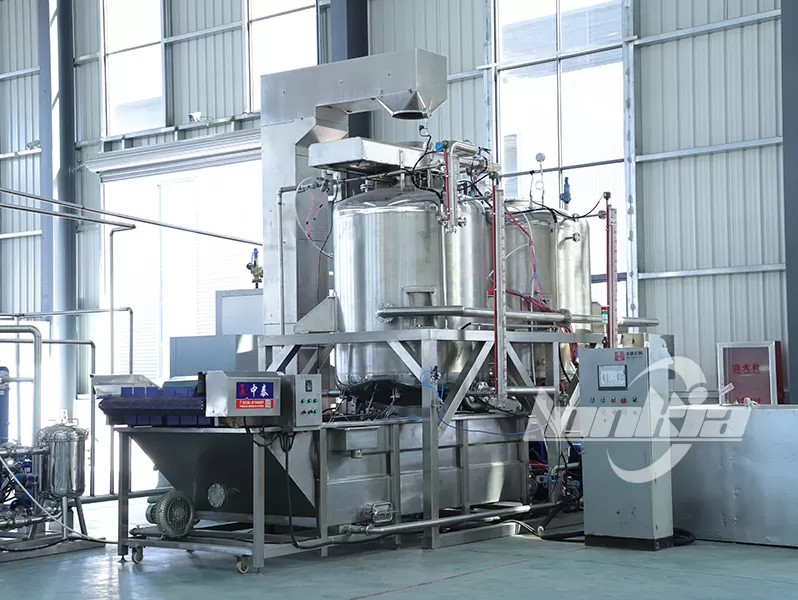
Vertical retort machines equipped with PLC control systems help operators manage the processing sequence according to preset programs. Taking the LONKIA vertical retort as an example, the equipment utilizes PLC digital control; specific functions and configurations can be further confirmed based on the actual model.
2. Standardized Loading and Routine Cleaning
Loading methods affect product arrangement, heat transfer fluid flow, and equipment performance. Loading should be arranged in accordance with the retort sterilizer's design requirements to avoid blocking relevant passages or causing unreasonable localized stress.
After each processing batch, the chamber and related components should be cleaned according to the equipment manual and inspected for residues, signs of corrosion, or sealing abnormalities. Standardized operating procedures help reduce the risk of malfunctions.
Establish a Preventive Maintenance Plan
Food processing plants are advised to establish a clear equipment maintenance system:
- Daily Inspections: Check the equipment's exterior, seal integrity, instrument readings, and alarm status.
- Scheduled Maintenance: Inspect valves, pipe connections, seals, and control systems; calibrate instruments as required.
- Professional Inspections: Inspect pressure vessels, safety devices, and critical components in accordance with manufacturer requirements and local regulations.
If abnormal pressure, persistent leaks, or safety interlock failures are detected, relevant operations should be halted and inspected by qualified personnel; production should not continue by bypassing safety devices.
What Else Should Be Considered When Purchasing a Vertical Retort?
When selecting a vertical retort machine, do not limit your comparison to the initial quote alone. It is recommended to comprehensively evaluate material certifications, manufacturing processes, technical specifications, quality inspection documentation, the availability of wear-and-tear parts, and after-sales service capabilities, while confirming that the equipment's design parameters meet actual production requirements.
LONKIA provides vertical retort solutions and is available to discuss equipment configurations based on food types, packaging specifications, and production needs. Clarifying technical requirements, maintenance responsibilities, and acceptance criteria before purchasing helps minimize risks during subsequent use.
Conclusion
The service life of a vertical retort machine is determined by a combination of materials, manufacturing processes, control systems, actual operating conditions, and maintenance management. Thoroughly verifying technical documentation before purchase and adhering to standard operating procedures and conducting regular inspections after commissioning will help reduce the risk of repairs and ensure stable equipment operation.
If you are in the process of purchasing a vertical retort, we recommend providing the supplier with information on the type of food, packaging specifications, expected production capacity, and on-site conditions to help confirm the most suitable equipment configuration and maintenance plan.