
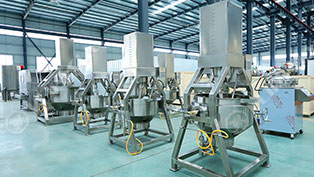
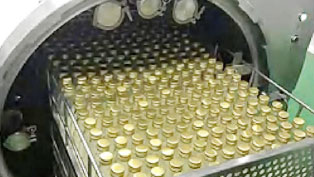

In the food processing industry, selecting the right sterilization equipment not only impacts food safety and product quality but also directly affects a company's cost control and return on investment. This article analyzes the price structure of autoclave retort sterilizers, helping potential buyers understand the factors influencing equipment quotes to make more informed and practical investment decisions.
🔎 1. Core Components and Material Costs
The material composition of the main body forms a significant cost foundation. High-quality food-grade stainless steel (such as 304/316 stainless steel) meets hygiene standards, offers strong corrosion resistance, and facilitates easy cleaning—though it substantially increases raw material expenses. Premium materials not only extend equipment lifespan but also reduce long-term maintenance costs, making them a critical consideration for sustained operational efficiency.
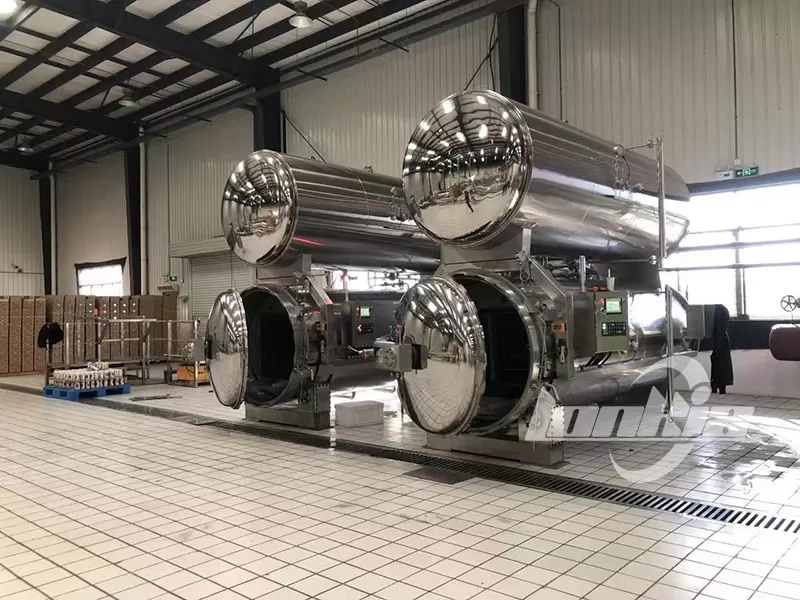
Additionally, the pressure vessel design and wall thickness standards of autoclave retort sterilizer chambers impact pricing. Higher pressure ratings necessitate stricter manufacturing and testing protocols, thereby elevating overall equipment costs.
⚙️ 2. Automation Control Systems and Technical Configuration
The value of modern autoclave retort sterilizers largely stems from their automation control capabilities. PLC-based fully automated control systems with touchscreen interfaces enable real-time monitoring of temperature, pressure, time, and cycle processes, ensuring more stable and reliable operation. While such control systems enhance equipment performance, they also significantly increase the quoted price.
📦 3. Sterilization Methods and Spray Technology
The retort sterilization technology (e.g., steam spray, water spray, or hybrid approaches) is the core technical factor influencing price. Different spray systems not only determine heat transfer efficiency and sterilization uniformity but also impact energy consumption, cycle times, and production capacity. Bidirectional or multi-point spray designs minimize cold spots and enhance sterilization consistency, though their complexity increases costs.
When comparing retort machine prices, customers should evaluate not only the initial purchase cost but also the trade-off between sterilization effectiveness and production efficiency to assess the value of long-term investment.
📊 4. Capacity Specifications and Size Design
Production line scale and capacity requirements are among the most direct factors determining retort machine price. Sterilizers for different packaging formats (flexible pouches, bottles, cans, etc.) and varying output demands differ significantly in size, capacity, and manufacturing complexity. Naturally, larger capacity, taller dimensions, and more intricate equipment command higher prices.
When selecting equipment, companies should choose appropriate specifications based on their daily processing volume, packaging types, and future expansion plans to avoid waste or capacity bottlenecks caused by over- or under-sizing.
🧩 5. Customization and After-Sales Service
Many food enterprises have unique process flows, product characteristics, and spatial layouts, necessitating customized equipment configurations. Examples include designing specialized sterilization curves or tray layouts based on product acidity, viscosity, or packaging format. Customization significantly enhances equipment efficiency and stability but also imposes higher manufacturing demands, thereby increasing the overall quotation.
Additionally, reliable after-sales support, warranty plans, and technical training are essential for long-term stable operation. Some suppliers include these services in the base price, while others charge them separately. Discussing after-sales details with suppliers should be a critical step before finalizing the purchase.
🧠 Final Thoughts: Evaluating Cost-Effectiveness
In summary, factors determining autoclave retort sterilizer pricing encompass material quality, control system sophistication, sterilization technology, capacity specifications, and customization services. When making procurement decisions, the focus shouldn't solely be on equipment quotes. Instead, consider these key customer concerns:
- Does the equipment meet food safety standards?
- Can it consistently achieve uniform high-temperature sterilization?
- Does it offer scalability potential for future production expansion?
- Is there a comprehensive after-sales support system in place?
Selecting the right sterilization solution not only mitigates initial investment risks but also enhances production efficiency and long-term operational profitability. For detailed quotes and tailored configurations, contact Lonkia to explore the optimal autoclave retort sterilizer for your production line.