
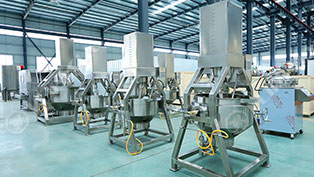
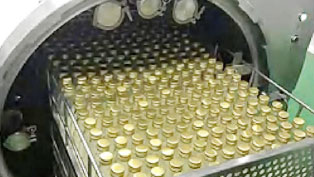

In the food processing industry, steam sterilizers are widely used for high-temperature sterilization of products such as retort pouches, glass jars, metal cans, and sauce packaging. Although the equipment is highly automated, many food factories still encounter issues such as uneven sterilization, package deformation, and temperature fluctuations during actual production. If not addressed promptly, these issues not only affect product quality but may also lead to food safety risks.
This article analyzes the causes and solutions for common issues encountered in actual production involving steam sterilizers, aiming to help food companies improve sterilization consistency and production efficiency.
Temperature Inhomogeneity Leads to Unstable Sterilization Results
For many customers using steam sterilizers, the primary concern is incomplete sterilization. In some cases, the core temperature of products fails to meet requirements, leading to issues such as bag swelling, product spoilage, or a shortened shelf life.
The primary causes of this issue include:
- Insufficient steam circulation
- Blocked spray systems
- Uneven heat distribution within the equipment
- Inefficient product loading
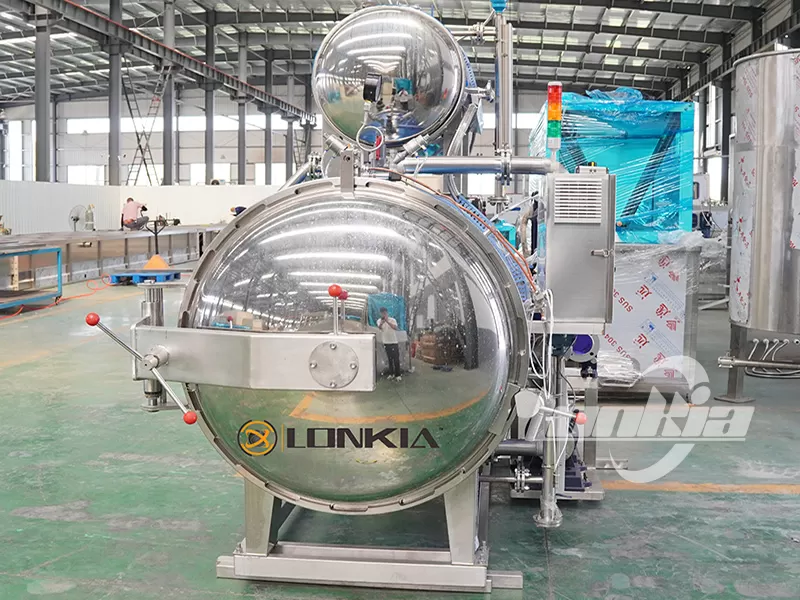
For example, the Lonkia Packing Bag/Jar Steam Water Spray Retort features a full spray circulation design. By combining a water bath with steam spraying, it ensures more uniform heat distribution inside the equipment, helping to reduce cold spots and improve sterilization consistency.
In actual production, we recommend that companies:
- Regularly check for clogged nozzles
- Ensure circulation pumps are operating normally
- Avoid overcrowding products
- Adjust basket loading methods according to different packaging types
This can significantly improve the sterilization stability of steam autoclave sterilization.
Packaging Deformation, Bag Swelling, or Bottle Bursting Issues
Many food manufacturers notice the following after sterilization:
- Bulked-up retort pouches
- Wrinkled vacuum bags
- Broken glass bottles
- Deformed plastic containers
These issues are typically related to unstable pressure control.
If internal pressure fluctuates too rapidly during the heating and cooling phases of steam sterilizers, it can create excessive pressure differentials between the inside and outside of the packaging, leading to damage.
High-quality steam sterilizers are typically equipped with automatic pressure balancing systems that adjust chamber pressure in real time, reducing the risk of packaging damage. Some units also utilize PLC-based automatic control technology to synchronize adjustments of temperature, pressure, and time.
Solutions include:
- Controlling the heating and cooling rates
- Setting backpressure parameters according to packaging type
- Using packaging materials suitable for high-temperature sterilization
- Avoiding overfilling or poor sealing
For glass bottle products, spray-type steam autoclaves are generally more stable than traditional steam-type models.
Steam Pressure Fluctuations Affect Equipment Operation
Some factories encounter issues with unstable pressure during steam sterilizer operation, leading to extended sterilization times or even equipment shutdowns triggered by alarms.
Common causes include:
- Insufficient steam supply
- Pipe leaks
- Valve malfunctions
- Abnormal pressure sensors
Modern steam autoclave machines typically employ automatic temperature and pressure control systems that monitor operating conditions in real time, enhancing production stability.
Facilities should regularly:
- Inspect steam pipe seals
- Clean the filtration system
- Calibrate pressure sensors
- Maintain safety valves and control valves
A stable steam supply is a critical foundation for ensuring effective sterilization.
What to Do When Equipment Efficiency Declines?
As usage time increases, some steam sterilizers may experience:
- Slower heating
- Increased energy consumption
- Extended sterilization times
This is typically related to the heat exchange system, scale buildup, and circulation efficiency.
Some high-quality steam sterilizers utilize high-efficiency plate heat exchanger structures, which improve heat exchange efficiency and reduce energy loss.
Recommendations for businesses:
- Regularly clean the heat exchanger
- Check the efficiency of the circulation pump
- Use softened water
- Establish an equipment maintenance schedule
Long-term, standardized maintenance can significantly extend equipment lifespan and reduce failure rates.
How to Choose Stable and Reliable Steam Sterilizers?
For food processing plants, stability is often more important than price alone. A steam sterilizer with stable performance not only enhances food safety standards but also reduces packaging waste and the risk of downtime.
When selecting equipment, we recommend focusing on:
- Temperature uniformity
- PLC automatic control system
- Pressure balancing capability
- Spray circulation design
- After-sales service and technical support
Lonkia has accumulated extensive experience in the field of steam sterilization equipment. Its Steam Water Spray Retort is suitable for various packaging types, including retort pouches, glass bottles, and metal cans, helping food companies achieve more stable and efficient sterilization production.