
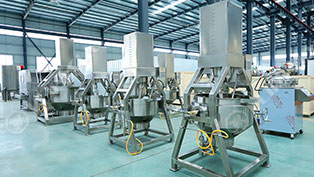
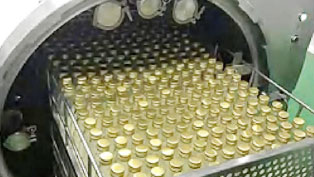
In the food sterilization production process, the operational stability of steam autoclave sterilization directly impacts product quality, production efficiency, and equipment service life. Many food companies focus more on equipment procurement while neglecting post-purchase maintenance and management, which ultimately leads to reduced sterilization effectiveness, increased equipment failures, and even production downtime.
Establishing a scientific maintenance system not only extends equipment service life but also ensures the stability and safety of every sterilization process.
Why Is Steam Autoclave Maintenance So Important?
Steam autoclavesterilizations operate continuously under high-temperature and high-pressure conditions, causing seals, valves, sensors, and piping systems to gradually wear out over time.
If maintenance is inadequate, the following issues may arise:
- Unstable temperature and pressure control
- Reduced sterilization uniformity
- Lower steam utilization
- Packaging deformation or bag swelling
- Increased unplanned downtime
- Shorter equipment lifespan
Regular maintenance effectively reduces failure rates and ensures the continuous, stable operation of the sterilization process.
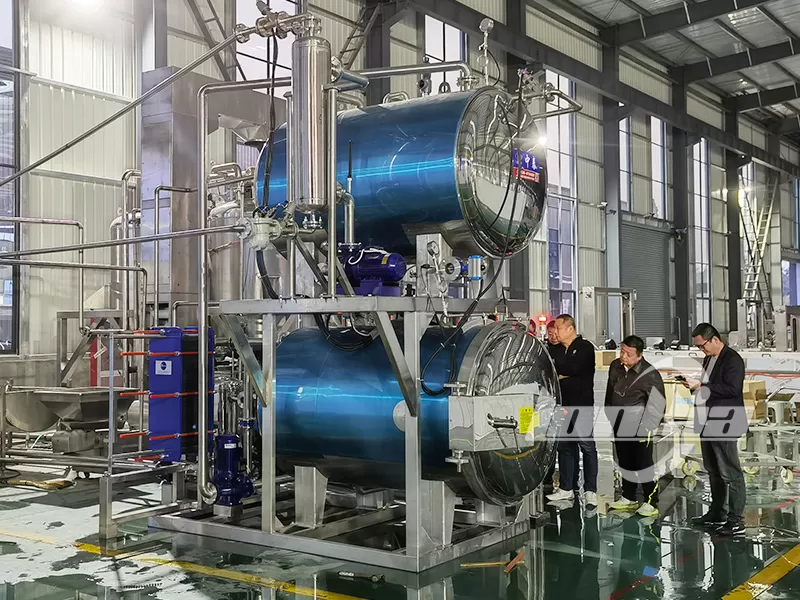
Key Points for Daily Maintenance Checks
For food processing plants with continuous production, it is recommended that operators conduct basic inspections daily before starting up the equipment.
Inspect Door Seals and the Sealing System
Door seals are critical components for maintaining stable equipment pressure.
Check daily for:
- Cracks
- Aging or hardening
- Steam leaks
Replace any defective seals immediately to prevent pressure loss during the sterilization process.
Check Temperature and Pressure Gauges
Temperature probes and pressure sensors directly determine sterilization effectiveness.
Pay close attention to:
- Whether displayed values are normal
- Whether there are abnormal fluctuations
- Whether parameter records are accurate
Any deviation may affect F0 value control and product safety.
Clean the Interior of the Equipment
After each production batch, promptly remove any residue from the interior of the equipment.
Key areas to clean:
- Sterilization baskets
- Nozzles
- Drainage areas
- Filtration systems
Keeping the equipment clean reduces the risk of blockages and improves heat transfer efficiency.
Weekly Maintenance Tasks
Clean Filters and Piping
Impurities in steam and recirculating water gradually accumulate inside filters and piping.
Recommended weekly checks:
- Steam filters
- Recirculating water filters
- Drainage system
This prevents reduced flow from affecting heat transfer.
Inspect Safety Valves and Control Valves
Safety valves are critical protective devices for the equipment.
Maintenance tasks include:
- Pressure test at opening pressure
- Valve operation check
- Seal integrity check
Ensure the equipment remains in a safe operating condition at all times.
Components Requiring Monthly Maintenance
Calibrate Temperature and Pressure Sensors
After prolonged operation, sensors may develop measurement errors.
We recommend performing the following on a regular basis:
- Temperature calibration
- Pressure calibration
- Verification of recorded data
This ensures that the sterilization process remains consistent with the set parameters.
Inspect the Heat Exchange System
Scale buildup in heat exchangers can lead to:
- Longer heating times
- Increased energy consumption
- Reduced sterilization efficiency
Regular descaling based on water quality can effectively restore heat exchange performance.
How to Extend the Service Life of a Steam Sterilizer?
In addition to routine maintenance, proper operation is equally important.
We recommend that companies:
- Operate strictly in accordance with process parameters
- Avoid frequent overloading
- Provide regular training for operators
- Maintain maintenance records
- Use original or high-quality replacement parts
For Lonkia steam sterilizer systems, we recommend that customers establish a three-tier maintenance mechanism comprising daily, weekly, and monthly inspections to reduce the risk of failures at the source and improve equipment utilization.
Conclusion
Steam sterilizers are not only a key safeguard for food safety but also one of the core production pieces of equipment in food processing plants. Scientific maintenance management can significantly improve equipment stability, extend service life, and reduce downtime losses. For companies seeking long-term, stable production, preventive maintenance is far more cost-effective than repairs after a failure.
If you are looking for a steam sterilization solution that offers stable operation and easy maintenance, please contact the Lonkia team. We will provide professional equipment selection and technical support based on your product type and production capacity requirements.