
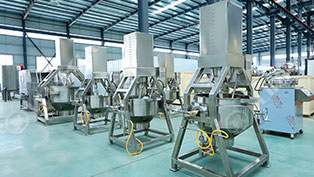
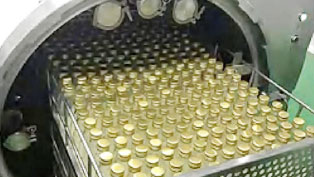
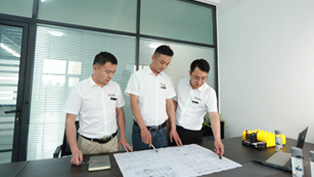
When purchasing a steam autoclave machine, it is important not to focus solely on the equipment's operating temperature and processing capacity. Steam supply, pressure control, chamber material, automation level, and safety features all affect the equipment's operational performance and actual production efficiency. Understanding key technical parameters in advance helps companies select the right equipment and minimize issues during installation and subsequent use.
Core Technical Parameters of Steam Sterilizers
Processing Capacity and Equipment Dimensions
Equipment capacity should be determined based on product type, packaging format, and batch load size. During procurement, it is essential to distinguish between the steam autoclave machine's total volume and the actual usable loading space, and to confirm the processing volume per batch, loading and unloading methods, and the equipment's external dimensions.
If the steam autoclave sterilization needs to be integrated into an existing production line, the factory layout, material inlet and outlet channels, and maintenance space should also be verified in advance to prevent installation difficulties upon delivery.
Operating Temperature, Pressure, and Sterilization Time
Temperature, pressure, and processing time are critical parameters for evaluating steam sterilizers. Different foods and packaging materials have varying requirements for heat treatment conditions; therefore, a one-size-fits-all approach to temperature and time cannot be applied.
Prior to procurement, customers should provide suppliers with details regarding product characteristics, packaging specifications, and anticipated processing requirements, and confirm whether the equipment can execute validated sterilization protocols. Additionally, it is important to distinguish between the chamber temperature and the actual temperature reached inside the product.
Steam Supply and Control Systems
Steam Source and Consumption
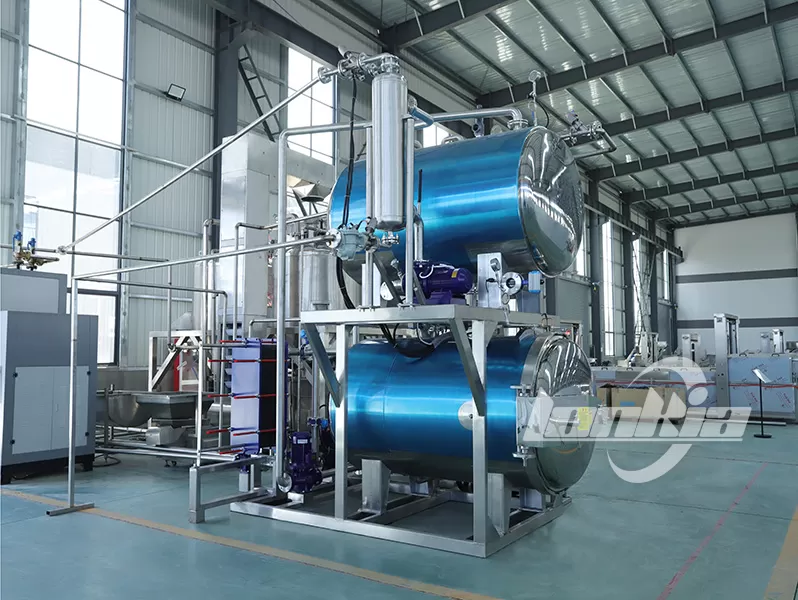
Steam supply conditions directly affect the steam autoclave machine's heating rate and operational stability. Customers should confirm whether the equipment uses an external steam source or an integrated steam generator, and understand the required steam pressure, steam supply capacity, piping connections, and estimated steam consumption.
This data helps assess in advance whether the facility's existing utility systems meet the equipment's operational requirements and calculate daily production costs.
Automated Control and Data Logging
Automated control systems can regulate temperature, pressure, and processing time according to preset programs; some equipment also supports alarm notifications and batch data logging.
For food processing companies requiring consistent product quality, it is recommended to focus on inspecting control accuracy, sensor configuration, program adjustment methods, and data traceability functions. When purchasing, it is also important to confirm whether the equipment meets the facility's quality management requirements.
Materials, Safety Features, and Maintenance
Inner Chamber Materials and Structural Design
The materials used for the steam autoclave machine's inner chamber and related contact parts should be selected based on food characteristics, operating conditions, and cleaning requirements. During procurement, request material specifications from the supplier and inspect the inner chamber's surface treatment, weld quality, drainage structure, and seal design.
A well-designed structure not only facilitates daily cleaning but also minimizes maintenance hassles.
Safety Features and Maintenance Convenience
Since steam sterilizers involve high temperatures and pressure, safety features must not be overlooked. Focus on verifying functions such as safety valves, pressure monitoring, over-temperature and over-pressure protection, door interlocks, and fault alarms, and confirm that the equipment complies with applicable pressure equipment regulations at the installation site.
Additionally, understand the procedures for replacing wear-and-tear parts, maintenance schedules, spare parts availability, and after-sales technical support.
How to Determine if the Equipment Is Suitable Before Purchasing?
Before requesting a steam autoclave machine quote, it is recommended to prepare the following information:
- Product Information: Food types, packaging materials, package dimensions, and product characteristics.
- Production Requirements: Batch capacity, daily output, and planned operating hours.
- Facility conditions: Power supply specifications, steam source, drainage conditions, and installation space.
- Technical requirements: Target processing methods, automation needs, and data logging requirements.
- Procurement requirements: Delivery lead time, installation and commissioning, warranty coverage, and after-sales service.
Providing a complete set of requirements helps suppliers more accurately match equipment specifications and reduces the need for repeated communication.
Conclusion
Selecting the appropriate steam autoclave machine requires careful consideration of processing capacity, temperature and pressure control, steam supply, equipment materials, and safety configurations—rather than comparing a single parameter in isolation.
LONKIA can assist in evaluating configuration options for food processing equipment based on the product information, production requirements, and facility conditions provided by the customer. Thoroughly confirming technical specifications, installation conditions, and acceptance requirements prior to purchase helps ensure that the equipment better aligns with actual production needs.