

In the food processing industry, high-temperature sterilization equipment directly impacts product safety, quality consistency, and production efficiency. The retort autoclave is a common high-temperature, high-pressure sterilization device widely used in the commercial production of soft-packaged foods, canned goods, sauces, beverages, and similar products. Selecting the appropriate equipment not only enhances production efficiency but also reduces manufacturing risks. This article aims to assist food enterprises in making more informed procurement decisions.
Understanding the Basic Operation of Retort Autoclaves
Autoclave retort sterilizers sterilize sealed packaged foods through high-temperature, high-pressure environments, achieving commercial sterility. Internally, a spray water circulation system thoroughly mixes steam with water to create a uniform temperature environment, ensuring consistent sterilization results for every batch.
The spray system and circulation pump evenly distribute heated water over product surfaces, rapidly transferring heat into the food interior to ensure a stable and reliable sterilization process.
For food enterprises, stable temperature control and uniform heat distribution are critical factors to prioritize when selecting equipment.
Selecting Equipment Based on Food Packaging Type
Different food packaging types impose distinct sterilization equipment requirements. Therefore, when selecting a retort autoclave, first identify the product packaging type. Commonly applicable packaging includes:
- Aluminum foil pouches or vacuum flexible bags
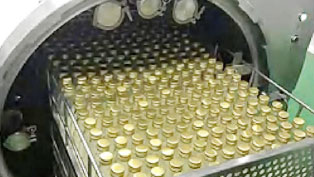
- Glass bottles or jars
- Tinplate cans
- PP or HDPE plastic bottles
These packaging materials must maintain structural integrity during sterilization. Consequently, the equipment must feature a stable pressure control system to prevent deformation or rupture.
For companies primarily producing pouch-packed ready-to-eat foods, spray retort autoclaves are typically the preferred choice due to their faster heat penetration and more consistent sterilization results.
Focus on Temperature and Pressure Control Precision
Sterilization quality largely depends on the equipment's control system. Modern retort autoclaves commonly employ PLC-based automated control systems for precise management of temperature, pressure, and sterilization duration.
High-quality equipment typically features:
- Temperature control accuracy within ±0.5°C
- Stable pressure regulation
- Automated sterilization program management
A robust control system ensures consistent sterilization parameters across every batch, enhancing food safety and product uniformity.
Consider Equipment Structure and Operational Stability
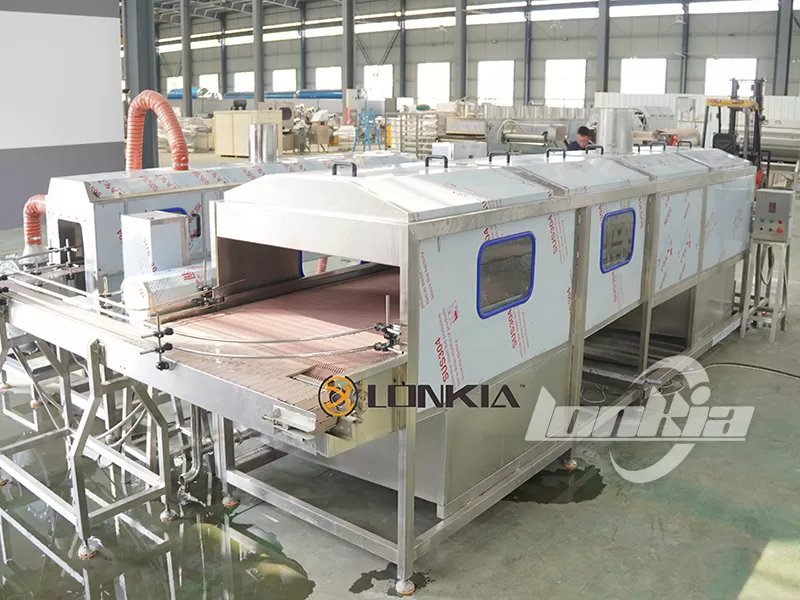
A reliable retort sterilization machine typically employs food-grade stainless steel construction and incorporates features such as recirculating water pumps, heat exchangers, and multiple safety interlock systems.
The rationality of equipment structural design directly impacts production stability, for example:
- Efficient recirculating spray system
- Uniform heat distribution structure
- Safety pressure protection system
These designs not only enhance sterilization efficacy but also reduce operational risks.
Selecting a Reliable Equipment Supplier
For food enterprises, equipment quality and after-sales support are equally critical. A stable equipment manufacturer not only provides mature equipment solutions but also tailors processes to match customer product characteristics.
For instance, Lonkia has accumulated extensive experience in food sterilization equipment. Its retort autoclave systems, featuring stable spray circulation and precise control design, enable food processing companies to achieve reliable sterilization results and sustained, stable production capacity.
Conclusion
Selecting the appropriate retort autoclave involves more than purchasing a single piece of equipment—it establishes a stable, secure sterilization system for food production. When choosing equipment, businesses should prioritize:
- Food packaging types
- Temperature and pressure control precision
- Equipment structural design
- Supplier technical capabilities
Through scientific selection, food enterprises can not only enhance production efficiency but also ensure consistent product quality, laying the foundation for long-term brand development.