
In food sterilization production lines, the sterilization retort machine is a critical piece of equipment for ensuring food safety and product stability. If the equipment operates inconsistently, it not only compromises sterilization effectiveness but may also lead to downtime, production losses, or even product quality issues. Therefore, establishing a scientific maintenance system is essential for ensuring long-term stable operation. Proper maintenance not only extends equipment lifespan but also enhances production efficiency.
Why is Sterilization Retort Machine Maintenance so Important?
Retort autoclaves operate continuously under high-temperature, high-pressure, and humid conditions. Internal components such as seals, valves, and sensors gradually wear over time. Without proper maintenance, the following issues may arise:
- Unstable sterilization temperatures
- Steam or water leaks
- Reduced heating efficiency
- Abnormal equipment operation
These problems not only compromise sterilization effectiveness but also increase operational costs. Therefore, regular maintenance is essential for ensuring equipment safety and production stability.
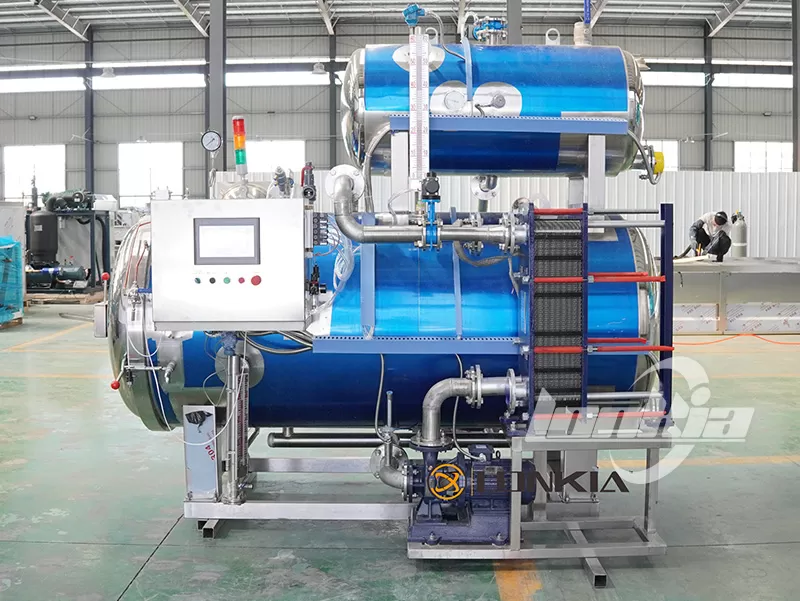
In practical production, autoclave retort sterilizers like those provided by Lonkia typically feature well-designed maintenance structures, facilitating routine inspections and upkeep to minimize downtime risks.
Daily Maintenance Focus: Maintaining Equipment Cleanliness and Stability
Routine maintenance is the simplest and most effective method for extending equipment lifespan. Operators can conduct basic checks after production ends, including:
- Inspecting Equipment Appearance: Observe for steam leaks, water seepage, or abnormal noises.
- Clean Equipment Interior: Remove residues from baskets, sealing areas, and spray systems to prevent contamination and blockages.
- Inspect Temperature and Pressure Gauges: Ensure stable and accurate readings for temperature, pressure, and other parameters. Sensor inaccuracies may lead to incorrect sterilization settings.
These simple procedures effectively reduce equipment failures and ensure consistent sterilization processes.
Key Component Maintenance: Extending Core System Lifespan
Several critical components in retort autoclaves require special attention:
- Sealing Rings and Door Structure: Door sealing rings are prone to aging under high-temperature, high-pressure conditions. Replace them promptly if hardening or damage is detected to prevent steam leakage.
- Spray Circulation System: The spray pump and piping form the core of the water spray sterilization system. Regularly clean filters and inspect pump seals to prevent blockages or leaks.
- Temperature and Pressure Sensors: The retort sterilization process relies on precise data control. Sensor inaccuracies may cause under-sterilization or overheating, necessitating regular calibration.
Regular Maintenance: Preventive Care Matters Most
Beyond daily checks, periodic maintenance is essential, including:
- Inspecting safety valves and pressure protection systems
- Cleaning scale from heat exchangers and pipes
- Verifying electrical system connections
- Calibrating temperature and pressure probes
Such preventive maintenance detects issues early, preventing unexpected failures that halt production.
How Maintenance Enhances Equipment Reliability?
Scientific maintenance not only prevents failures but also enhances overall equipment performance. For example:
- Maintaining unobstructed pipelines and spray systems
- Ensuring stable heat exchange efficiency
- Reducing sterilization cycle times
Long-term standardized maintenance significantly lowers operational costs and improves production stability.
Equipment like Lonkia's autoclave sterilizers prioritizes structural stability and maintenance accessibility in design, enabling food enterprises to manage daily operations more efficiently and maintain long-term stable equipment performance.
Conclusion
Sterilization retort machines are critical equipment in food sterilization production lines. Establishing a comprehensive maintenance system—including daily inspections, key component upkeep, and scheduled servicing—effectively extends equipment lifespan while ensuring sterilization quality and production efficiency.
For food processing enterprises, sound equipment maintenance is not merely a technical management measure but a vital safeguard for production stability and product quality.