

In modern food processing production, the water spray retort is one of the key pieces of equipment for achieving efficient and reliable sterilization. It is particularly suitable for commercial sterilization of bagged, canned, bottled, and flexible-packaged foods. This article provides a step-by-step explanation of how this sterilization retort works, focusing on how each stage helps food manufacturers address quality, safety, and efficiency challenges.
What is a Water Spray Retort?
A steam water spray retort is a device that employs high temperature, pressure, and water spray cycles to perform commercial sterilization on packaged foods. By spraying hot water to cover the packaging surface, it achieves uniform heating and thorough sterilization. Compared to traditional steam sterilizers, it offers advantages such as rapid heating, temperature uniformity, and compatibility with a wide range of packaging types.
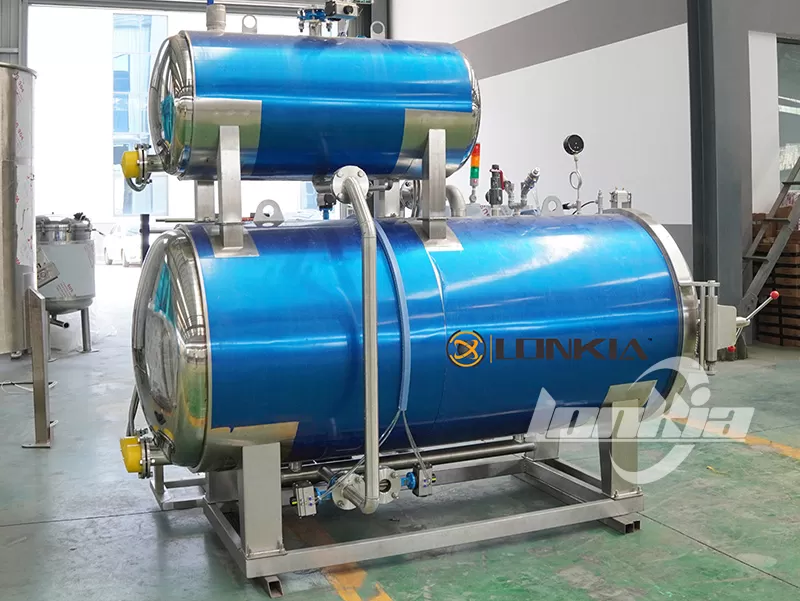
Key Components and Core Functions of Water Spray Retort
1. Sealed Sterilization Chamber and Control System
The core component is a high-pressure-resistant stainless steel chamber integrated with an automated PLC system that regulates temperature, time, and pressure. This ensures precise, repeatable sterilization processes. Automated control simplifies operation, minimizes human error, and enhances production consistency.
2. Top Spray and Circulating Water System
The spray system circulates heated water at high velocity onto product surfaces, rapidly transferring heat into packaging interiors. This shortens heat penetration time, ensuring every package meets specified sterilization standards. Compared to single-source steam heating, spray technology more effectively prevents uneven heating.
3. Multi-Functional Heating Modes
Modern water jet sterilizers support switching between heat sources like electric heating and steam heating. This flexibility allows selection based on product type, energy budget, and site conditions, helping customers optimize operating costs across different production scenarios.
Actual Operational Steps of the Retort Sterilization in Food Processing
1. Product Loading and Sealing
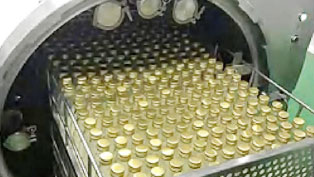
First, properly arrange pre-packaged foods (such as pouched soups, juice drinks, ready-to-eat meals, etc.) in sterilization baskets or racks. This step requires products to be fully sealed to prevent liquid leakage or air retention during sterilization.
2. Heating Phase
After initiating the sterilization program, the water spray retort system rapidly raises spray water temperature to the target sterilization level (e.g., approximately 121°C) via a preset heating mode. Concurrently, pressure within the chamber increases. The combined effects of high temperature and pressure effectively inactivate microorganisms like bacteria and mold, ensuring long-term food stability.
3. Sterilization Stabilization (Hold) Phase
Upon reaching the set conditions, the control system enters a constant-temperature phase, maintaining the specified temperature and duration to ensure thorough sterilization. This phase is particularly critical for high-risk foods like meat and concentrated soups, significantly enhancing food safety standards.
4. Cooling and Unloading
After sterilization, the water spray retort employs an external circulation cooling system to gradually reduce temperature while maintaining a controlled pressure decrease, protecting packaging from thermal shock. Once cooled, operators can safely remove the food for subsequent processes (e.g., labeling, case packing).
Advantages of the Sterilization Retort
1. Uniform Heating for Enhanced Product Consistency
Thanks to the high-flow water jet system, the steam water spray retort achieves uniform heat transfer between packages, minimizing variations in product color and texture.
2. Reduced Production Fluctuations and Rework Rates
Automated temperature control and process monitoring systems significantly reduce human operational errors, ensuring each batch consistently meets food safety standards.
3. Flexible Adaptability to Multiple Packaging Types
Whether vacuum pouches, flexible packaging, or canned goods, water spray retorts accommodate diverse sterilization requirements through optimized spray patterns and pressure adjustments.
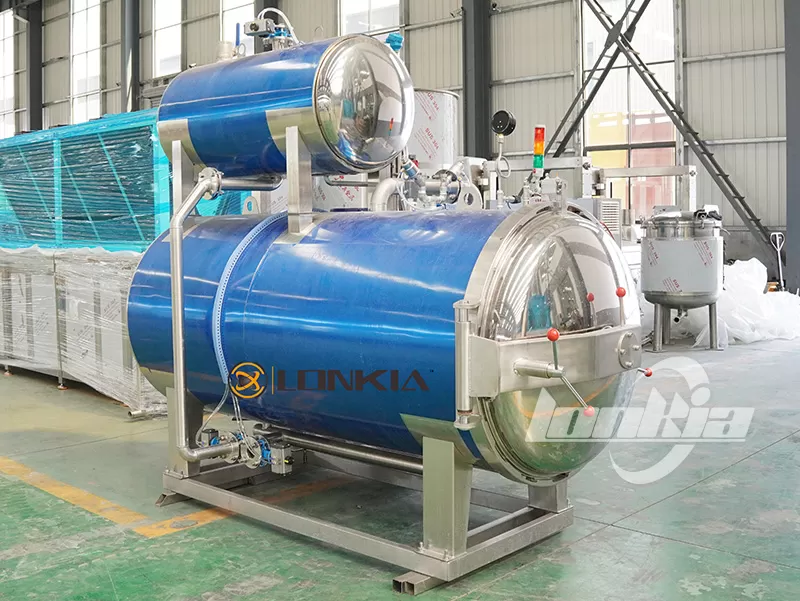
Tips for Operating Water Spray Retort
- Verify door seals are intact before startup.
- Inspect nozzles and circulation pumps prior to use.
- Develop appropriate temperature/time protocols for specific food products.
Conclusion
Understanding the operational workflow of the water spray retort not only helps customers master key equipment operation points but also enables better evaluation of sterilization effectiveness and production efficiency. Equipped with advanced spray circulation technology and intelligent control systems, such equipment assists food manufacturers in enhancing sterilization quality, reducing labor costs, and improving production line stability. Whether processing beverages, meat products, or ready-to-eat meals, a scientifically designed sterilization process serves as a crucial foundation for achieving high-quality production.