
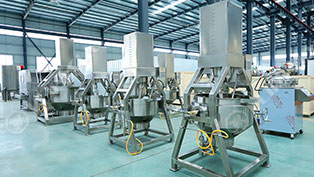

A jacketed kettle pot is a key investment in commercial kitchens and food manufacturing facilities. Whether you're cooking sauces, soups, jams, or stews, this equipment ensures even heating and high efficiency. But like any industrial machine, its performance and lifespan depend heavily on regular cleaning and maintenance.
In this article, we’ll walk you through step-by-step cleaning instructions, essential maintenance tips, and common mistakes to avoid, so your kettle pot stays in excellent condition for years.
1. Why Regular Cleaning Is Critical
Failing to clean a jacketed kettle properly can lead to:
Buildup of food residue
Cross-contamination risks
Corrosion or scale formation
Decline in heating efficiency
Mechanical wear or malfunction
A clean kettle = better product quality + longer machine life.
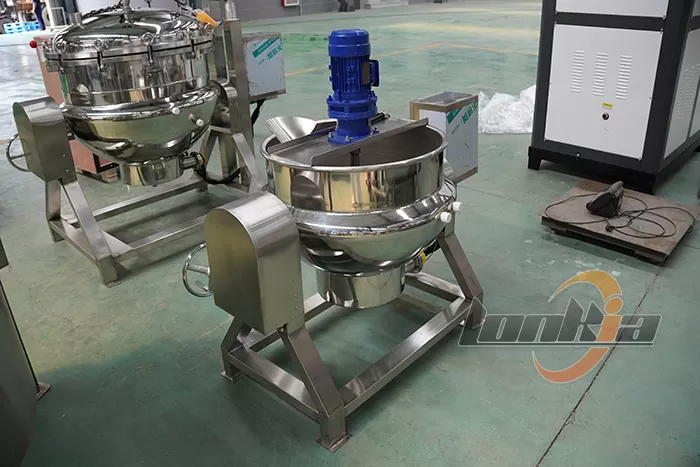
2. Daily Cleaning Steps (After Each Use)
🔧 Tools You’ll Need:
Soft cloths, non-abrasive scrub pads, food-grade detergent, clean water, optional sanitizing solution
✅ Step 1: Disconnect Power and Let It Cool
Before cleaning, make sure the machine is turned off and cool enough to handle safely.
✅ Step 2: Drain Remaining Contents
Use the discharge valve or tilting mechanism to remove all food product.
✅ Step 3: Wash the Interior
Use warm water and mild food-safe detergent
Scrub gently with a non-abrasive sponge
Avoid using steel wool or harsh chemicals
✅ Step 4: Rinse Thoroughly
Flush the inside with clean water to remove all soap and residue.
✅ Step 5: Wipe the Exterior
Clean the outer surface and control panels with a damp cloth. Keep water away from electrical parts.
✅ Step 6: Sanitize (Optional)
Use a food-grade sanitizing agent especially if required by local health regulations.
3. Weekly or Periodic Deep Cleaning
Descale the Jacket: If using steam or hot water heating, descale the jacket area as needed to prevent mineral buildup.
Check Agitator (If Equipped): Remove and clean mixing arms or paddles separately.
Inspect Gaskets and Seals: Replace worn or damaged seals to prevent leaks or contamination.
Clean Discharge Valve: Dismantle and clean any food contact valves thoroughly.
4. Maintenance Tips for Long-Term Use
| Task | Frequency | Notes |
|---|---|---|
| Lubricate moving parts | Monthly | Use food-safe lubricants |
| Inspect electrical connections | Quarterly | Look for loose or worn wires |
| Check for steam leaks or rust | Monthly | Especially at joints and valves |
| Calibrate temperature controls | Annually | For precise cooking |
| Replace worn gaskets or seals | As needed | Prevent contamination and leaks |
5. Common Mistakes to Avoid
❌ Using abrasive scrubbers that scratch stainless steel
❌ Leaving food residue overnight
❌ Neglecting the jacket area where steam or water circulates
❌ Skipping cleaning of discharge valves and agitators
❌ Ignoring manufacturer maintenance schedules
6. Final Thoughts
Cleaning and maintaining your jacketed kettle pot is not just about hygiene—it directly impacts equipment performance, product quality, and operational efficiency. By following a regular cleaning routine and staying on top of preventive maintenance, you can extend your machine’s lifespan and avoid costly breakdowns.
✅ Pro Tip: Always refer to the manufacturer's manual for model-specific instructions on cleaning agents, parts disassembly, and safety guidelines.