
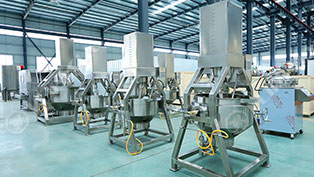


Jacketed kettle pots are widely used in food processing, catering, and commercial kitchens for cooking soups, sauces, jams, and other liquid-based foods. They use steam or electric heating through a jacketed layer, ensuring even heat distribution and consistent cooking quality. Operating a jacketed kettle correctly not only improves efficiency but also ensures safety and product quality. Here’s a step-by-step guide to help you use one effectively.
Step 1: Preparation
Inspect the Kettle: Check for any visible damage, leaks, or loose parts.
Verify Connections: Ensure steam, water, or electrical connections are properly secured.
Clean the Pot: Make sure the kettle is thoroughly cleaned before use to maintain hygiene.
Step 2: Preheating
Add Water (for Steam Models): Fill the jacket with the recommended amount of water.
Turn On Heating: Activate the steam or electric heating system and allow the kettle to preheat to the desired temperature.
Step 3: Loading Ingredients
Add Ingredients Carefully: Pour or transfer ingredients into the kettle slowly to avoid spills.
Stir if Necessary: Use an appropriate utensil or built-in agitator to mix ingredients evenly.
Step 4: Cooking Process
Monitor Temperature: Adjust heating levels as needed to maintain consistent cooking.
Cover the Kettle: Use the lid to reduce heat loss and improve cooking efficiency.
Check Progress: Stir periodically to prevent sticking or uneven cooking.
Step 5: Discharging the Product
Turn Off Heating: Once cooking is complete, switch off the heat source.
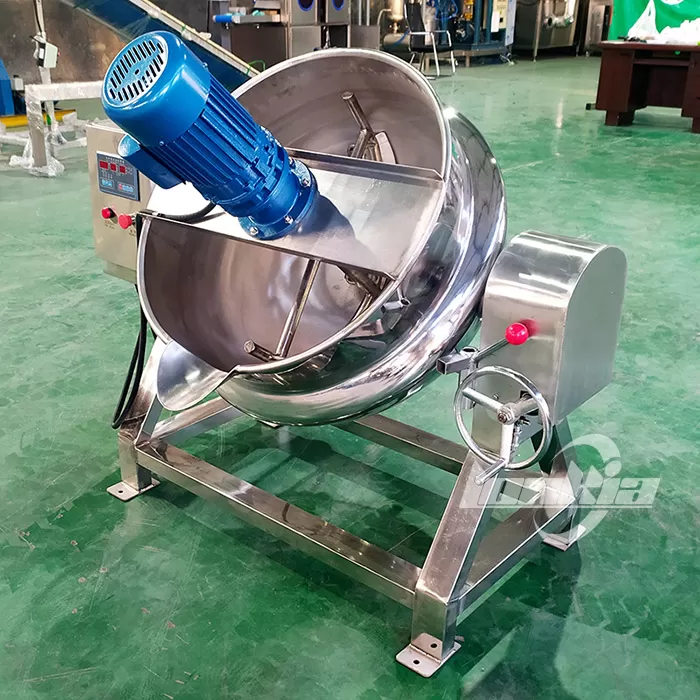
Tilt the Kettle (if equipped): Use the tilting mechanism to discharge the cooked product safely into containers.
Use Safety Precautions: Wear protective gloves and handle carefully to avoid burns.
Step 6: Cleaning and Maintenance
Drain Residues: Remove any leftover product and rinse the kettle.
Clean Thoroughly: Wash all surfaces with food-safe cleaning agents.
Check for Wear and Tear: Inspect gaskets, valves, and seals regularly.
Final Thought
By following these steps, you can operate a jacketed kettle pot safely and efficiently. Whether in a food processing plant or a commercial kitchen, proper usage ensures consistent cooking results, prolongs equipment life, and enhances overall productivity.