
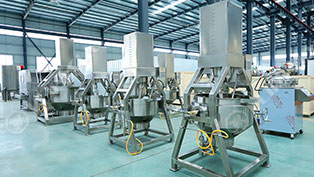
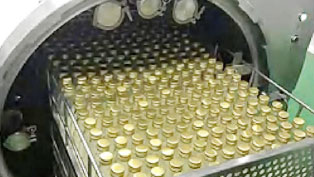
In modern food processing, efficiency, safety, and consistency are crucial. One piece of equipment that has become increasingly popular across commercial kitchens and industrial production lines is the jacketed kettle. While traditional cooking equipment—such as standard pots, gas burners, or direct-heat steamers—has been used for generations, jacketed kettles offer several advantages that make them essential for large-scale cooking.
This article explains the key differences between a jacketed kettle and traditional cooking equipment, helping processors understand which solution best fits their operational needs.
What Is a Jacketed Kettle?
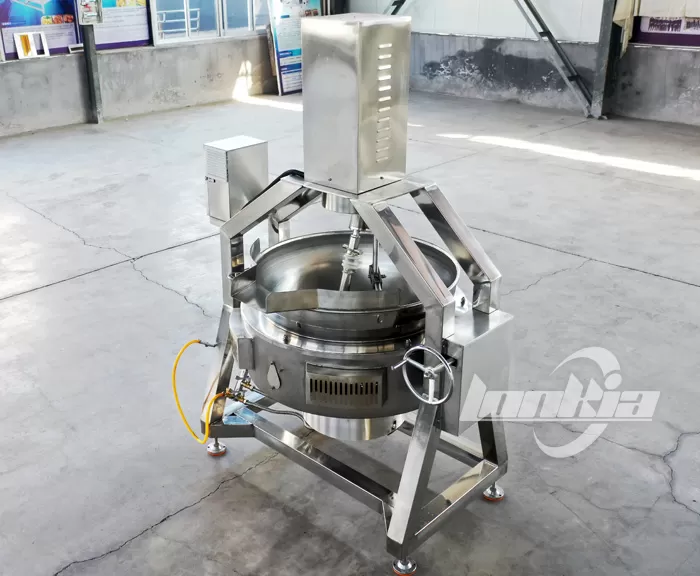
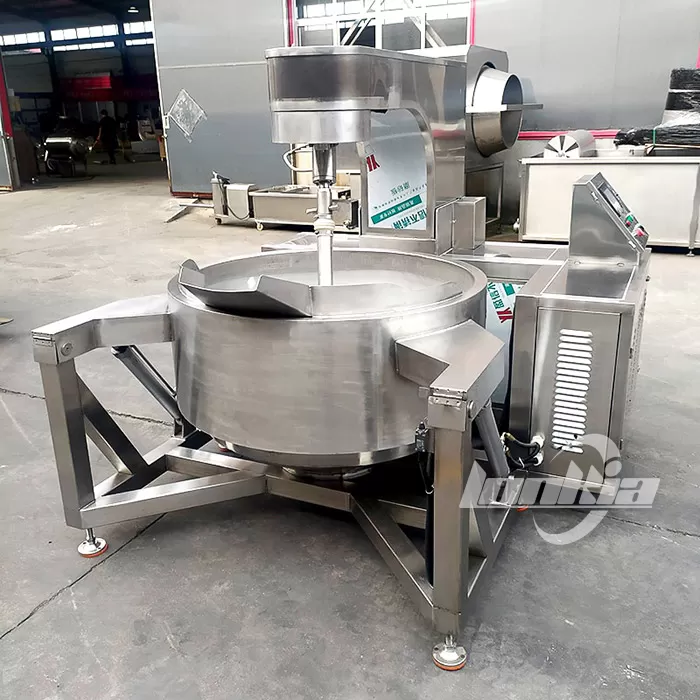
A jacketed kettle is a specialized cooking vessel featuring a double-wall (jacketed) design. Steam, hot water, thermal oil, or electric heating elements circulate within the jacket, delivering even, indirect heat to the food product.
Jacketed kettles are widely used in industries such as:
Vegetable and fruit processing
Sauces, soups, and paste production
Dairy processing
Confectionery
Ready-to-eat meals
They are available in manual, tilting, stationary, steam-heated, and electric-heated types.
Traditional Cooking Equipment: What It Includes
Traditional equipment usually refers to:
Gas burners with large pots
Direct-steam kettles
Open cookers
Fire-heated vessels
Household-style pots scaled for industrial use
These rely on direct heat, meaning the flame or steam directly contacts the cooking surface where the product is heated.
Key Differences Between Jacketed Kettles and Traditional Equipment
1. Heating Method: Indirect vs. Direct Heat
Jacketed Kettle
Uses indirect heat from steam/hot water/oil in the jacket
Delivers even, consistent heating
Prevents localized overheating and scorching
Traditional Equipment
Uses direct flame or direct steam
Frequently results in hot spots
Higher risk of burning or uneven cooking
Why it matters:
For sauces, jams, purees, and dairy products, temperature control is essential—making jacketed kettles significantly superior.
2. Temperature Control and Precision
Jacketed Kettle
Precise temperature adjustment
Automatic control systems available
Ideal for sensitive or viscosity-based products
Traditional Equipment
Manual temperature regulation
Fluctuations are common
Difficult to maintain exact cooking conditions
Why it matters:
Food processors aiming for consistent flavor and texture benefit greatly from jacketed kettles.
3. Energy Efficiency
Jacketed Kettle
Indirect heating reduces wasted energy
Better insulation
Often supports multi-layer heating systems
Traditional Equipment
More heat escapes to the environment
Gas and flame burners are inefficient
Higher operating costs over time
Result: Jacketed kettles reduce long-term utility expenses.
4. Safety and Working Conditions
Jacketed Kettle
Enclosed heating medium reduces fire risk
Steam or electric systems are safer than open flames
Tilting or bottom-discharge models minimize manual handling
Traditional Equipment
Open flames pose fire hazards
Pots are heavy and must be manually lifted or emptied
Risk of burns or spills
Why it matters:
For factories focused on worker safety and productivity, jacketed kettles are the preferred choice.
5. Capacity and Scalability
Jacketed Kettle
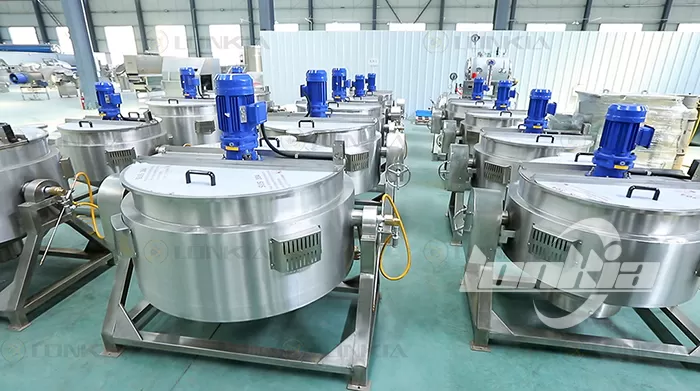
Available from 50L to 2000L or larger
Designed for continuous industrial production
Traditional Equipment
Limited to small or mid-sized batches
Scaling requires additional pots and burners
Advantage:
Jacketed kettles allow consistent, large-scale production without sacrificing quality.
6. Automation and Integration
Jacketed Kettle
Supports mixers, scrapers, sensors, PLC control
Can integrate into full processing lines
Reduces labor requirements
Traditional Equipment
Manual stirring and monitoring
Hard to automate
Labor-intensive
Conclusion:
For modern automated processing, jacketed kettles are clearly the better fit.
Which Should You Choose?
Choose a Jacketed Kettle if you need:
High-volume production
Consistent and uniform heating
Better safety and lower labor intensity
Adaptability for sauces, soups, purees, jams, meats, vegetables
Choose Traditional Equipment if:
Production volume is small
Budget is extremely limited
You don’t need precise control
Final Thoughts
A jacketed kettle represents a significant upgrade from traditional cooking equipment, offering advantages in heating efficiency, food quality, safety, and production scalability. Whether you're processing vegetables, making sauces, or preparing ready-to-eat foods, a jacketed kettle can enhance productivity and deliver more reliable results.
If you need help selecting the right kettle size or heating method for your factory, feel free to ask—I can recommend specifications based on your production needs.