
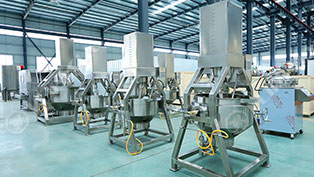
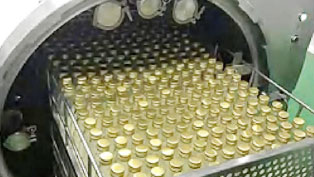

When investing in food processing equipment, a jacketed kettle is one of the most versatile machines you can choose. It is widely used for soups, sauces, jams, dairy, and other high-volume food products. However, with so many models and configurations available, selecting the right one for your business can be challenging. This guide highlights the key factors to consider when choosing the best jacketed kettle.
1. Determine the Right Capacity
The size of your jacketed kettle should match your production scale:
Small-scale kitchens (50–100 liters) – Ideal for test batches or specialty food producers.
Medium-scale operations (200–300 liters) – Suitable for growing businesses needing higher throughput.
Large-scale food factories (500 liters and above) – Designed for continuous, industrial-level production.
Choosing the correct capacity prevents underutilization or overburdening the machine.
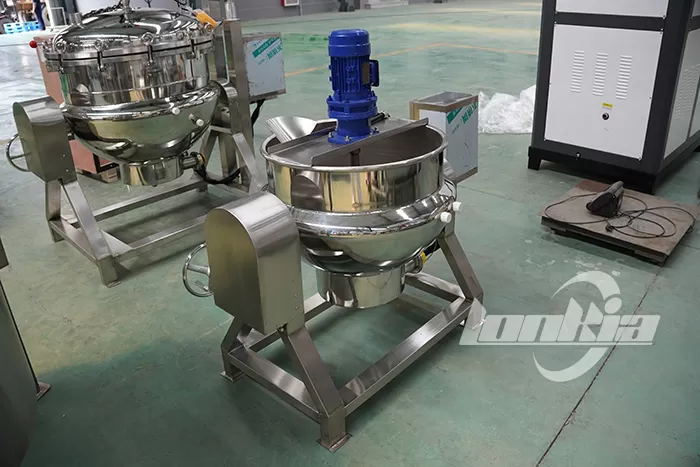
2. Consider the Heating Method
Different heating systems affect both performance and running costs:
Electric heating – Simple to install and maintain, suitable for small to medium operations.
Gas heating – Faster heating with lower running costs for medium to large kitchens.
Steam heating – Provides precise temperature control, ideal for sensitive products like dairy and confectionery.
3. Evaluate Material and Construction
The durability and hygiene of a jacketed kettle depend on its material:
304 Stainless Steel – Standard food-grade option with excellent corrosion resistance.
316 Stainless Steel – Recommended for acidic or high-salt products, offering enhanced resistance.
Always check for sanitary welds and polished interiors to comply with food safety standards.
4. Check Automation and Control Features
Modern kettles can improve efficiency with:
Automatic mixing systems – Prevents scorching and ensures even heating.
Programmable temperature controls – Maintains consistency across batches.
Tilting or discharge valves – Simplifies product transfer and reduces labor.
5. Factor in After-Sales Support and Maintenance
A reliable supplier should offer:
Easy access to spare parts.
Technical support and training.
Preventive maintenance guidance.
Good after-sales service extends the lifespan of your investment.
Conclusion
Selecting the right jacketed kettle depends on matching its capacity, heating system, material, and automation level with your business needs. By carefully considering these factors, you can maximize production efficiency, ensure product quality, and achieve long-term cost savings.